Football Is No Longer Just a Sport
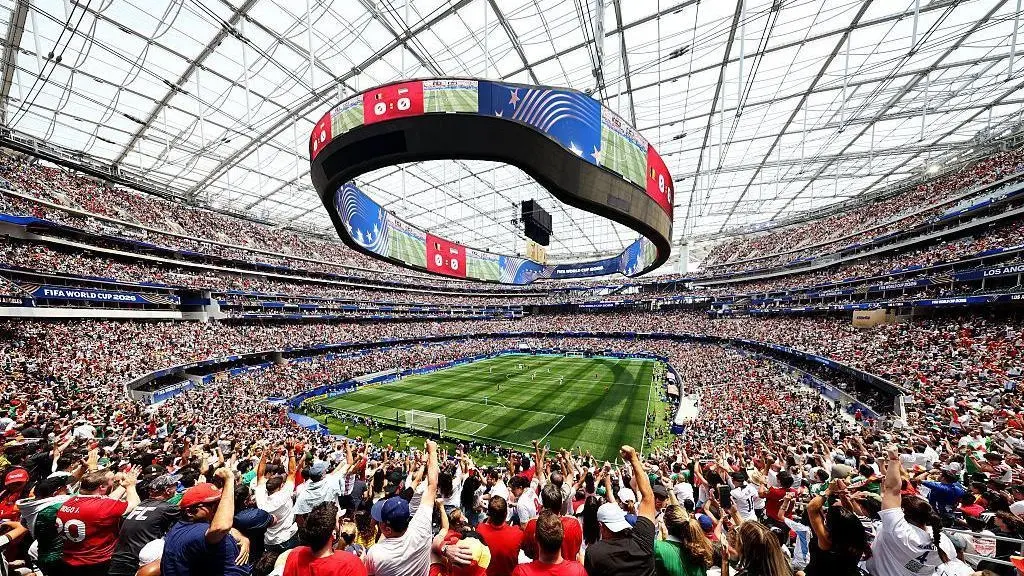
As the 2026 FIFA World Cup takes center stage, the conversation extends far beyond the pitch. This year's tournament isn't only about football, it's about how sport is reshaping fashion, culture, and everyday style. Global brands are moving beyond traditional team jerseys, introducing lifestyle collections that blend football with music, streetwear, and social media culture. The result is a new generation of fashion where jerseys are worn not just to support a team, but to express personal identity.

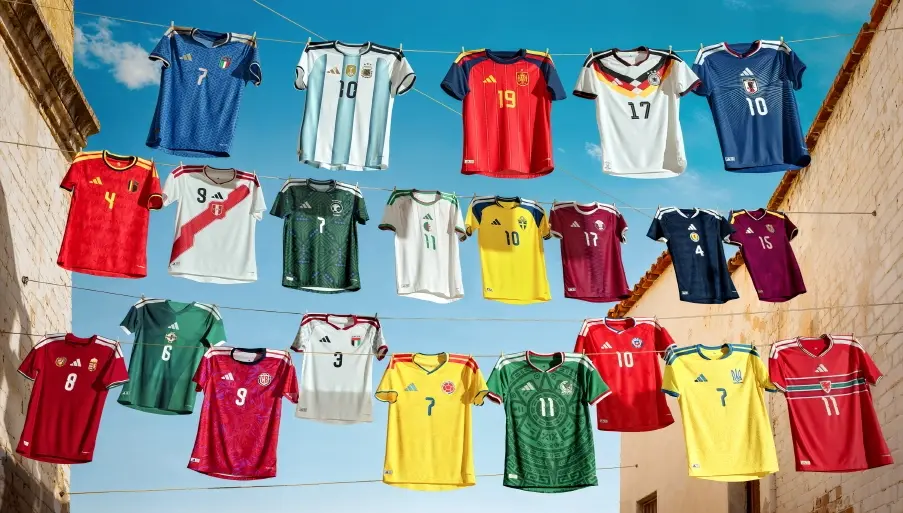
The Football Jersey Has Become a Seasonal Fashion Collection
How Global Brands Are Redefining Sportswear as Everyday Style
Long before the first whistle of the 2026 FIFA World Cup, fashion brands had already entered the competition.
Rather than simply producing official kits, brands are using football as a cultural canvas to launch limited collections, collaborations, and lifestyle products that resonate far beyond the stadium.
The World Cup has become one of the industry's biggest creative moments, where sports and fashion move together.
Nike revived its legendary Total 90 line through a collaboration with Travis Scott, transforming one of football's most iconic silhouettes into a contemporary streetwear statement. Tommy Hilfiger introduced its Country Pack capsule, celebrating participating nations through collegiate-inspired design, while Kappa partnered with Naruto Shippuden to merge football aesthetics with Japanese pop culture.
These projects are not simply merchandise tied to a sporting event.
They represent a broader shift in how brands communicate with consumers. Football is increasingly viewed as a universal cultural language, one capable of connecting fashion, music, design, and storytelling within a single collection.
Today's football jersey is no longer designed solely for match day. It is created to live in everyday wardrobes, reflecting a lifestyle rather than a scoreline.
Blockcore Is No Longer a Trend, It's a New Fashion Language
From Match-Day Uniform to Everyday Wardrobe Essential
Only a few years ago, football jerseys belonged almost exclusively inside stadiums.
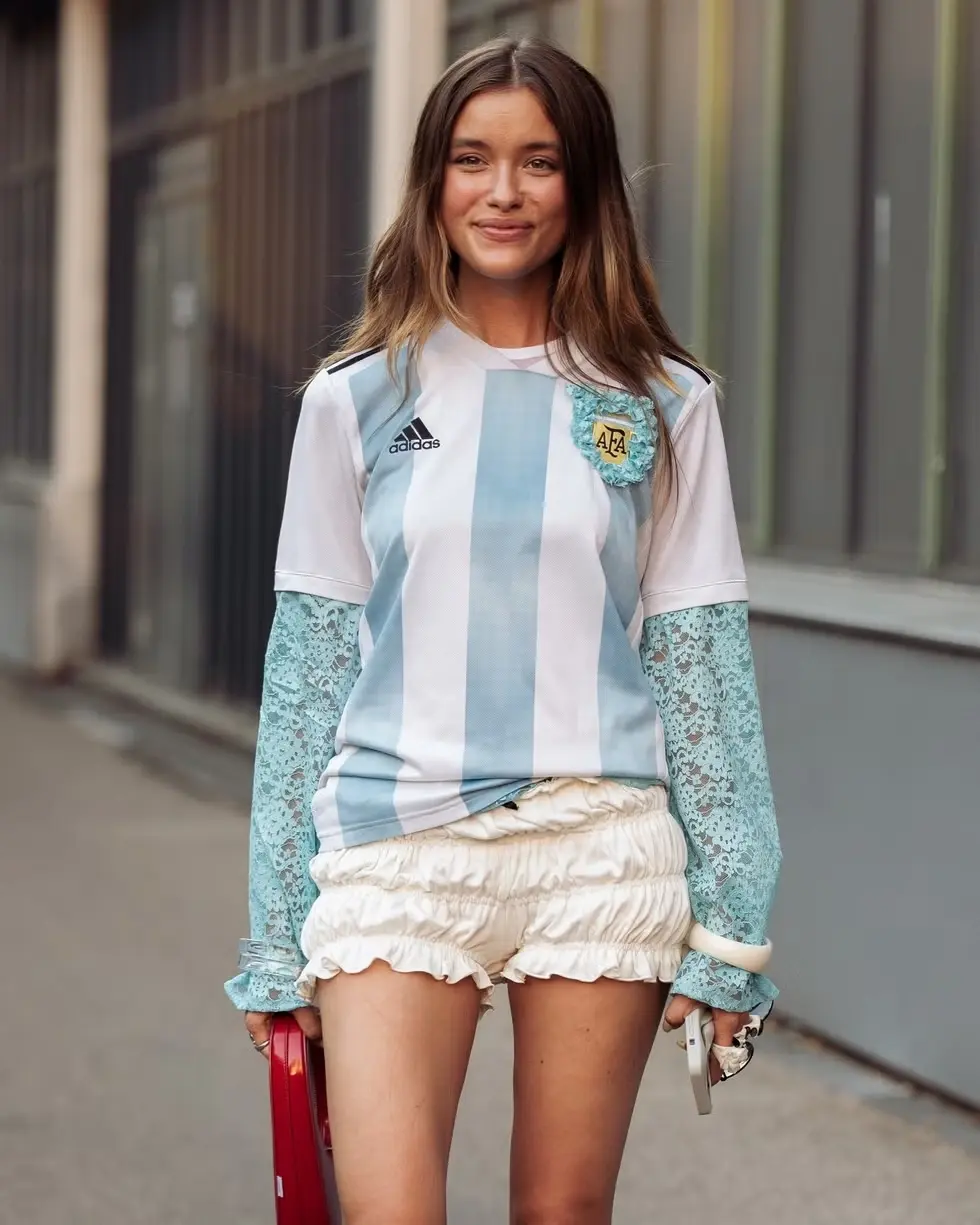
Today, they appear everywhere, from Fashion Week street style to music festivals, cafés, airports, and city streets across Seoul, London, Paris, and Tokyo.
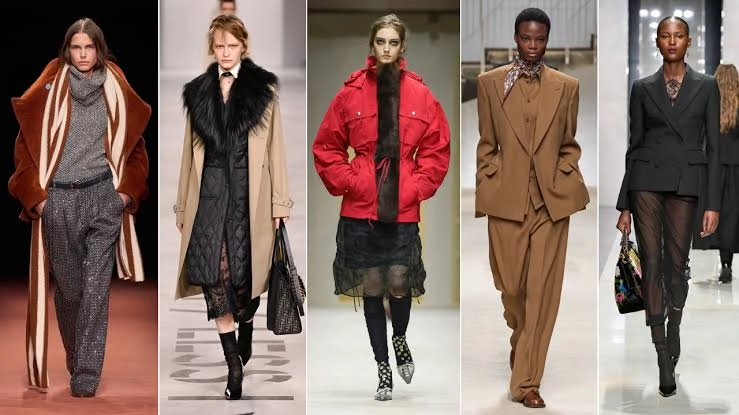
The rise of Blockcore has fundamentally changed how people wear football apparel. Jerseys are now paired with vintage denim, lace skirts, oversized tailoring, camouflage trousers, knee-high boots, and minimalist accessories. Rather than following traditional sports styling, they have become versatile fashion pieces capable of adapting to countless aesthetics.
Celebrities including Rihanna and numerous global style icons have helped accelerate this movement by incorporating football shirts into luxury and streetwear looks alike.
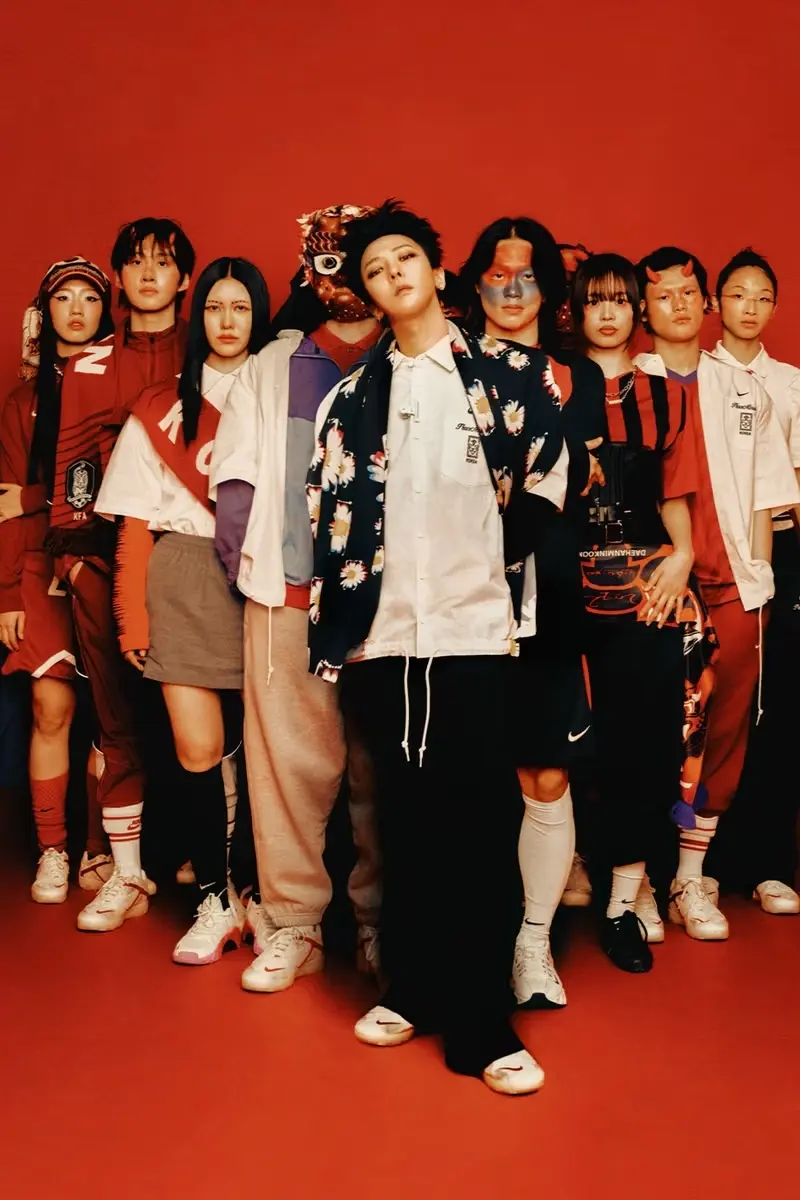
Even this year's Korean national team's lavender away jersey has generated conversation beyond football circles, becoming a sought-after fashion item across social media platforms.
Consumers are no longer choosing jerseys simply because they support a team, they are choosing them because they fit their personal style.
Football has evolved from a competitive sport into a powerful visual identity.
Music, Street Culture, and Football Are Creating a New Cultural Ecosystem
Brands Are Designing Culture, Not Just Products
One of the defining characteristics of the 2026 World Cup is how naturally football intersects with other creative industries.
Music, anime, fashion, sneakers, gaming, and social media no longer exist in separate categories. Instead, they influence one another to create entirely new cultural experiences.
Travis Scott's reinterpretation of Nike Total 90 brought early-2000s football nostalgia into today's sneaker culture, while Kappa's collaboration with Naruto Shippuden introduced football aesthetics to anime communities around the world.
These collaborations are successful because they tell stories rather than simply promote products.
Consumers today are increasingly drawn to brands that build meaningful cultural narratives. A jersey becomes more than apparel—it becomes part of a wider universe that connects music, creativity, and identity.
The World Cup has therefore become more than a sporting event. It now functions as one of fashion's most influential cultural stages.
The World Cup Ends. The Style Doesn't.
How Football Became Part of Everyday Fashion
While the tournament itself lasts only a few weeks, its cultural impact extends far beyond the final match.
Football jerseys continue appearing throughout everyday life, In Seoul's Seongsu and Hongdae, London's Soho, Tokyo's Shibuya, and New York's Brooklyn, long after the trophy has been lifted.
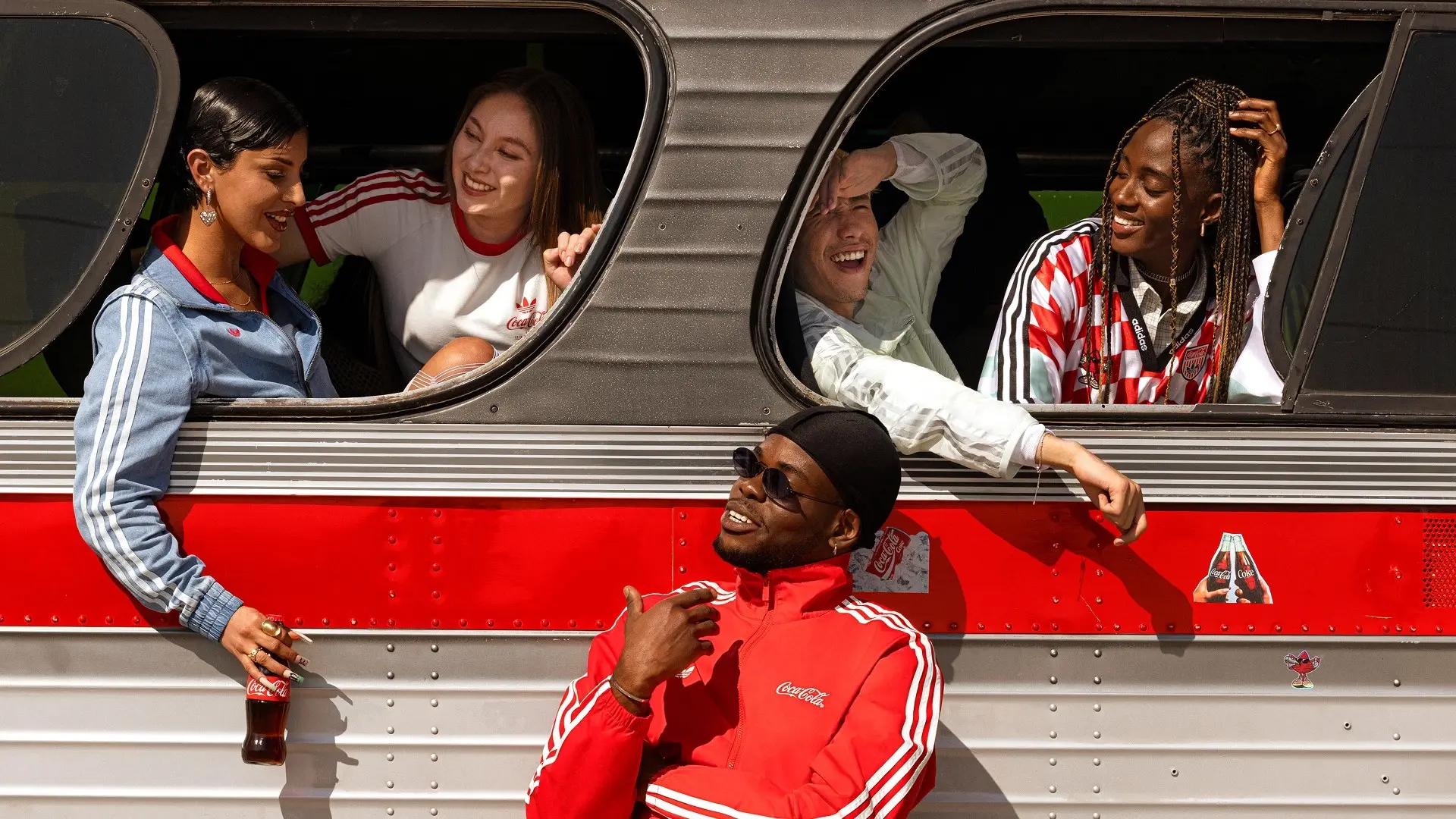
Styled with tailored trousers, denim, oversized outerwear, or luxury accessories, jerseys have become remarkably adaptable pieces that fit naturally into modern wardrobes.
This transformation reflects a larger shift in consumer behavior. Sport is no longer reserved for athletes or supporters, it has become an integral part of lifestyle culture.
Brands use football to communicate creativity, while consumers reinterpret those messages through their own personal style.
Seoul Moment believes the 2026 FIFA World Cup represents more than a global sporting event.
It demonstrates how fashion, music, street culture, and sport have become increasingly interconnected.
Perhaps the tournament's greatest legacy won't be remembered only by the champion lifting the trophy, but by the football jersey becoming one of the defining fashion pieces of this generation.