Nike × LEGO: Breaking the Boundaries Between Sports and Play
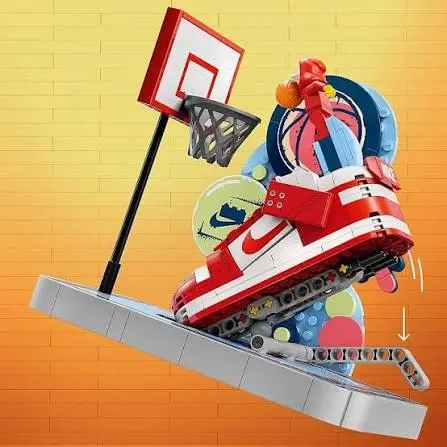
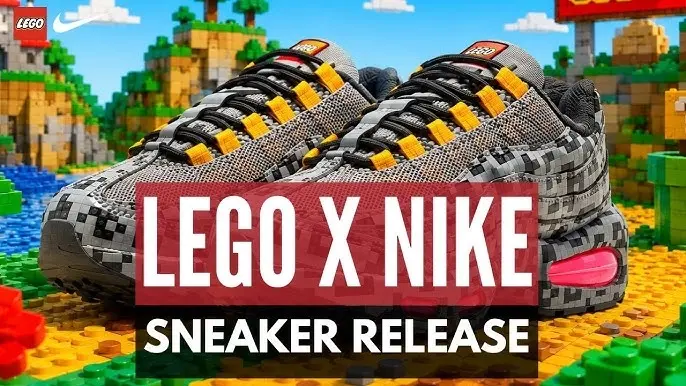
Nike and LEGO have officially joined forces to introduce a new global partnership that reimagines the relationship between sports, creativity, and play. More than a traditional product collaboration, the project combines footwear, apparel, and immersive experiences designed to encourage children to move, imagine, and express themselves through physical activity. As two of the world's most influential brands in sports and creative play, Nike and LEGO are redefining what a brand collaboration can look like. Rather than focusing solely on limited-edition products, both companies are investing in experiences that inspire the next generation while strengthening long-term emotional connections with families around the world.

Play Is Where Every Athlete Begins
Why Nike and LEGO Share the Same Vision for the Future
For decades, Nike has inspired people to move.LEGO has inspired people to create.
Although the two companies come from completely different industries, they share a remarkably similar philosophy.
Both believe that childhood experiences shape confidence, imagination, and personal growth.
This shared vision forms the foundation of their collaboration.
Today's sports industry extends far beyond professional athletes and competitive performance.
Global brands increasingly recognize that introducing movement at an early age is just as important as developing elite athletic performance later in life.
Nike has long promoted the idea that every child deserves the opportunity to enjoy sport.
LEGO approaches childhood from another perspective, encouraging creativity through building, experimentation, and problem-solving.
Together, the two brands aim to combine these values into experiences where physical activity and imagination naturally coexist.
The partnership also responds to one of today's biggest social challenges.
Children around the world are spending more time in front of digital screens than ever before.
As opportunities for outdoor play continue to decline, encouraging movement has become a growing priority for educators, parents, and public health organizations.
Rather than viewing sports and play as separate activities, Nike and LEGO present them as complementary experiences.
Running, building, exploring, and creating all become part of the same journey of learning and development.
This philosophy represents a significant shift in how global brands communicate with younger generations.
Instead of simply selling products, they are helping shape healthier and more creative lifestyles.
Designing Experiences Beyond Products
Why Brand Experiences Matter More Than Limited Editions
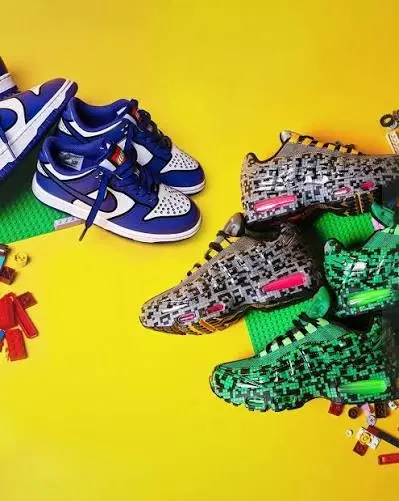
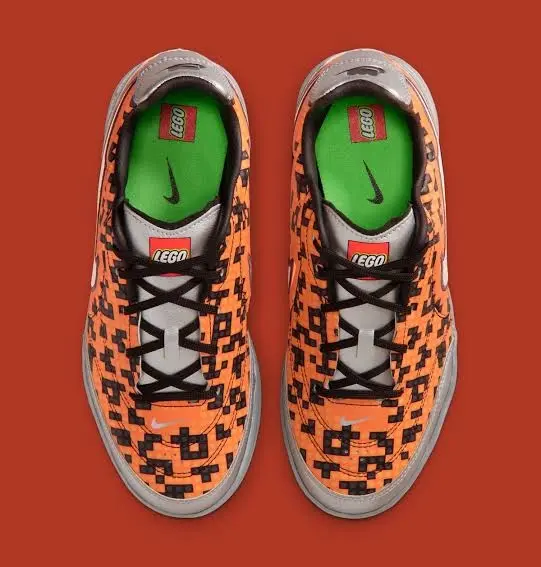
One of the most distinctive aspects of the Nike × LEGO partnership is that it extends far beyond product design.
While exclusive footwear, apparel, and accessories naturally attract attention, the collaboration has been built around a much broader vision.
Interactive events, family-focused activities, creative workshops, and sports experiences are all designed to become part of the project.
This reflects one of the biggest transformations taking place across the global fashion and sports industries.
Consumers are no longer satisfied with simply purchasing a product.
They want to understand the story behind it.
They want to participate in the experience.
And more importantly, they want to create memories that are associated with the brand.
Nike has spent years evolving from a sportswear company into a lifestyle brand.
Its retail spaces increasingly function as community hubs where people train, learn, and connect rather than simply shop.
LEGO has followed a similar path.
Its flagship stores, creative workshops, exhibitions, and interactive installations have transformed the brand from a toy manufacturer into an experience-driven lifestyle company.
Bringing these two philosophies together creates a collaboration that feels natural rather than promotional.
Instead of asking consumers to buy another limited-edition sneaker, Nike and LEGO invite families to become part of a larger story centered on creativity, movement, and shared experiences.
For children, the collaboration encourages curiosity and confidence.
For parents, it offers meaningful activities that promote healthy lifestyles while strengthening family engagement.
This multi-generational approach gives the partnership a depth that many traditional collaborations struggle to achieve.
Rather than generating excitement for only a few weeks, the project has the potential to build lasting emotional relationships with consumers.
Investing in Future Fans Instead of Immediate Customers
Why Global Brands Are Looking Beyond Short-Term Sales
One of the most significant shifts in modern branding is the way companies define success.
In the past, collaborations were often measured by sales figures, resale prices, or how quickly products sold out.
Today, those indicators are only part of a much larger picture.
Brands increasingly focus on building long-term communities instead of chasing short-term hype.
Nike × LEGO perfectly illustrates this change.
The partnership is not simply designed to sell children's products.
It is designed to introduce young audiences to both brands at an early stage of life.
Research across multiple industries consistently shows that positive childhood experiences strongly influence purchasing decisions later in adulthood.
When children grow up with meaningful memories connected to a brand, they are far more likely to maintain that relationship for years to come.
This makes childhood one of the most valuable stages in building long-term brand loyalty.
For Nike, encouraging children to enjoy movement supports its broader mission of inspiring every athlete.
For LEGO, encouraging creative problem-solving remains central to its identity.
Together, these values create a partnership that extends beyond commerce.
The collaboration also reflects changing expectations from modern parents.
Families today are increasingly selective about the brands they introduce to their children.
Educational value, creativity, sustainability, and positive social impact have become just as important as product quality.
By combining active play with imaginative thinking, Nike and LEGO position themselves as brands that contribute to children's development rather than simply entertaining them.
This approach creates trust.
And in today's competitive marketplace, trust has become one of the strongest forms of brand value.
The collaboration demonstrates that successful partnerships are no longer defined by limited-edition products alone.
They are defined by their ability to inspire meaningful experiences that remain relevant long after the products themselves have been released.
Seoul Moment Insight
The Future of Global Brands Will Be Defined by Experiences, Not Products
The Nike × LEGO partnership represents far more than another high-profile collaboration.
It reflects a broader transformation taking place across the global fashion, sports, and lifestyle industries.
For years, the success of a collaboration was measured by limited releases, resale value, and social media buzz.
While these elements still matter, they are no longer enough to build lasting relationships with consumers.
Today's brands are expected to create meaningful experiences.
Consumers want to feel connected to a brand's purpose.
They want to understand its values.
And they increasingly choose brands that contribute positively to their lives rather than simply offering another product.
Nike has consistently promoted movement as a way to inspire confidence, perseverance, and self-belief.
LEGO has spent decades encouraging creativity, imagination, and problem-solving through play.
Although the two brands belong to different industries, they ultimately share the same mission.
They believe every child deserves the opportunity to grow through exploration, learning, and self-expression.
That shared philosophy is what makes this collaboration feel authentic.
Instead of chasing short-term attention, Nike and LEGO are investing in the next generation.
They are creating emotional connections that may last for decades.
Children who experience these brands together today may become lifelong customers tomorrow.
More importantly, they will remember the experiences before they remember the products.
For Korean brands, this collaboration offers an important lesson.
South Korea possesses globally influential cultural assets, including K-pop, gaming, animation, webtoons, educational content, and character IP.
Rather than treating these industries separately, brands have an opportunity to combine creativity, culture, education, and lifestyle into meaningful collaborations that resonate across international markets.
The strongest collaborations of the future will not simply introduce exclusive products.
They will create communities.
They will encourage participation.
And they will tell stories that consumers genuinely want to become part of.
Nike × LEGO is an early example of this new direction.
It reminds us that the most valuable product a brand can create is not always something people wear.
Sometimes, it is an experience people never forget.