Running Is Now the Most Powerful Lifestyle Industry
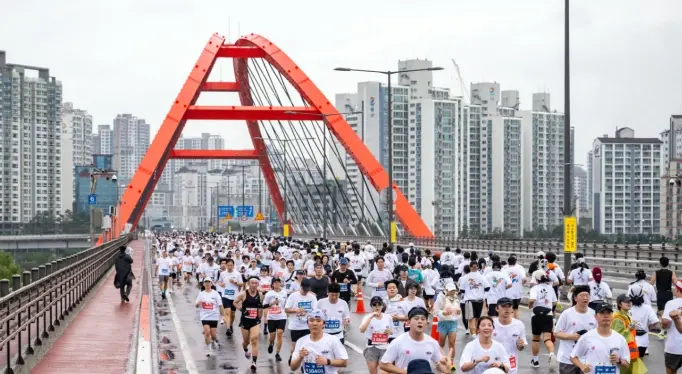
How Fashion, Social Media, and Experience Are Reshaping Retail Competition? Running is no longer just exercise. It has evolved into a full-fledged lifestyle, where wellness culture, fashion consumption, social media validation, and community participation intersect. Participation in running continues to surge in Korea, with the 2026 Seoul Marathon drawing a record 40,000 participants. Globally, the running equipment market is projected to reach approximately $122 billion by 2035. But the real transformation is not just numerical growth it is structural change. Convenience stores are becoming running hubs. Department stores are launching running clubs. Platforms are curating running style. Brands are designing experiences rather than merely selling products. Seoul Moment defines this shift clearly: “Running is no longer a sport. It is a new language of urban culture.”

How Running Became a Lifestyle
Where Fitness, Fashion, and Social Media Converge
In the past, running required little more than a pair of shoes. Today, it represents something much bigger.
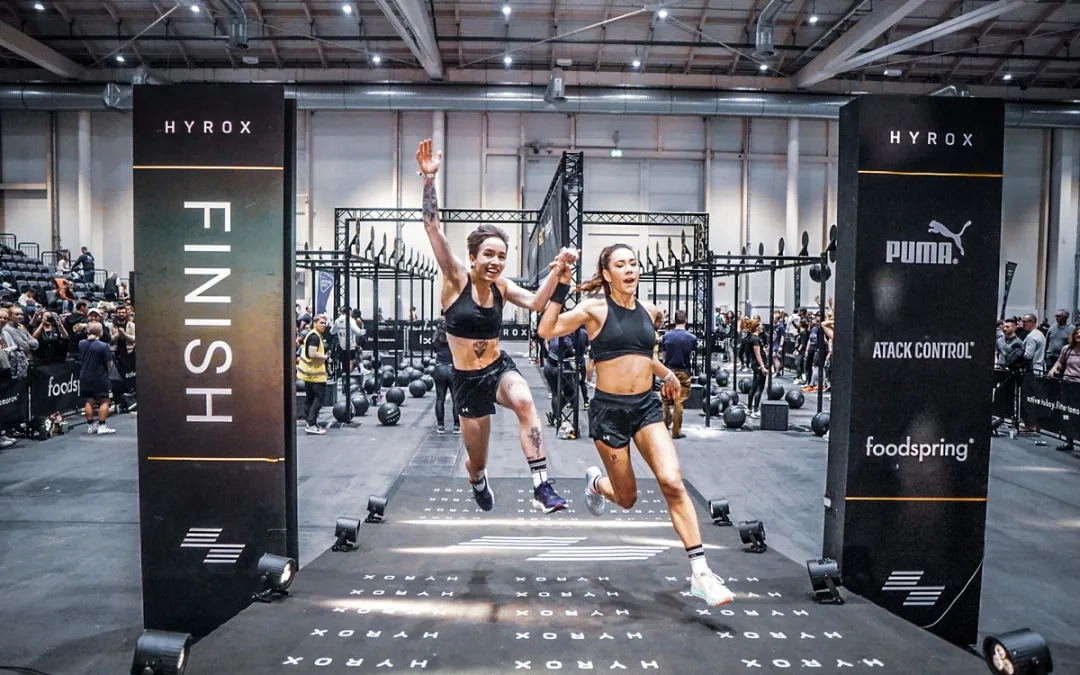
Premium running shoes, technical apparel, smartwatches, tracking apps, running crews—running now combines consumption, culture, and community into one ecosystem.
On social media, running records function as personal branding. Completion badges, outfit photos, route sharing—all serve as expressions of identity.
Running is no longer simply about movement.
It is about visibility.
The high participation rate among Gen Z and Millennials reflects this transformation. Entry barriers remain low, yet the possibilities for self-expression are expansive.
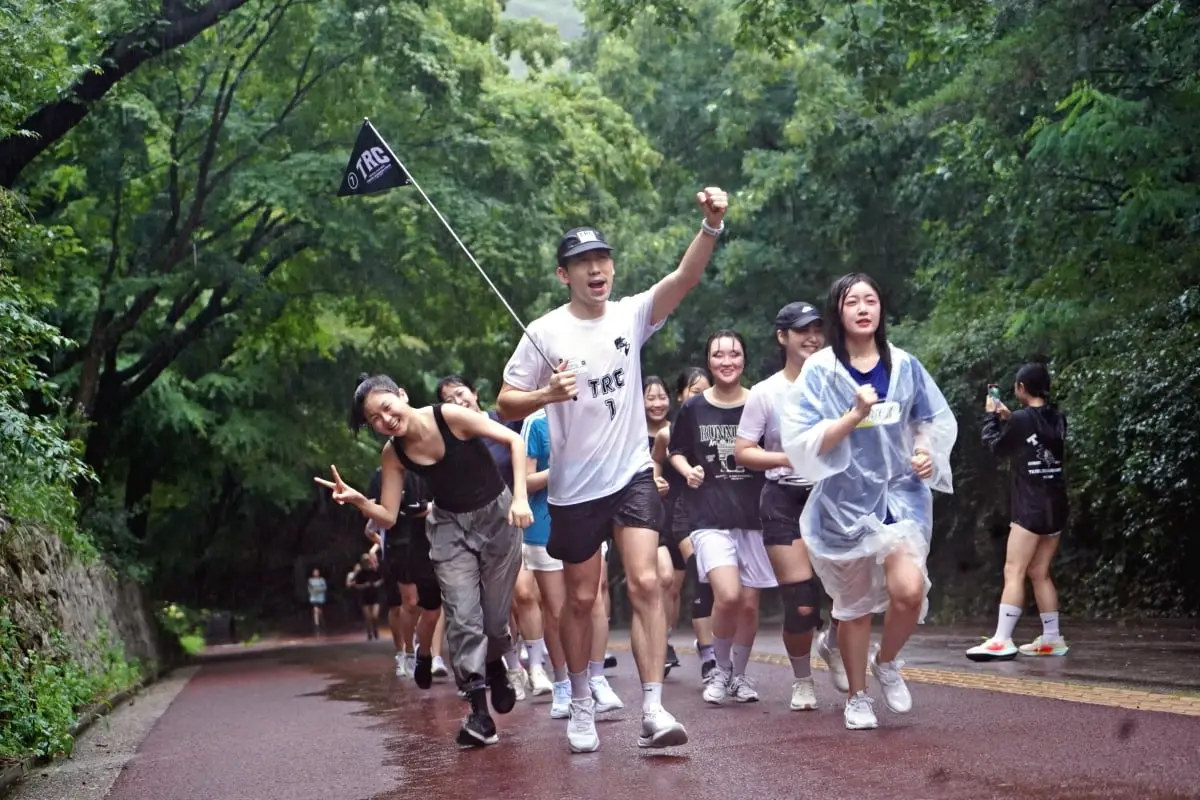
In Seoul, particularly along the Han River and Yeouido districts, running culture has evolved into a form of urban networking and lifestyle display.
Retail Strategy Has Already Shifted
From Selling Products to Designing Running Platforms
Retailers are no longer treating running as just another sports category.
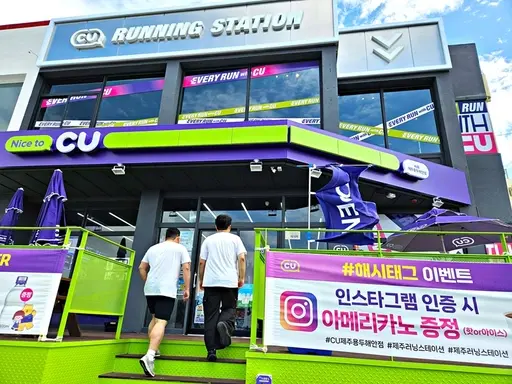
CU convenience stores now integrate running membership programs that connect distance tracking with product rewards. Runners receive hydration benefits and performance incentives tied directly to their activity.
The Han River “Running Station” concept transforms convenience stores into logistical hubs and community anchors.
Department stores are taking it further.
Lotte Department Store opened a dedicated Saucony flagship and operates organized running sessions. Hyundai Department Store launched a large-scale “Running Club” space, offering monthly sessions and immersive brand experiences.
This is no longer about product turnover.
It is about dwell time and brand attachment.
Running drives participation, and participation drives consumption.
The Structural Shift Behind the Numbers
Running Is Reorganizing Consumption Patterns
The growth of the running category can no longer be described as a temporary trend.
Spending in this segment has evolved into a cyclical upgrade model—shoes, apparel, wearables, supplements—forming a layered consumption ecosystem rather than a single-product market.
More importantly, running has moved beyond pure performance contexts.
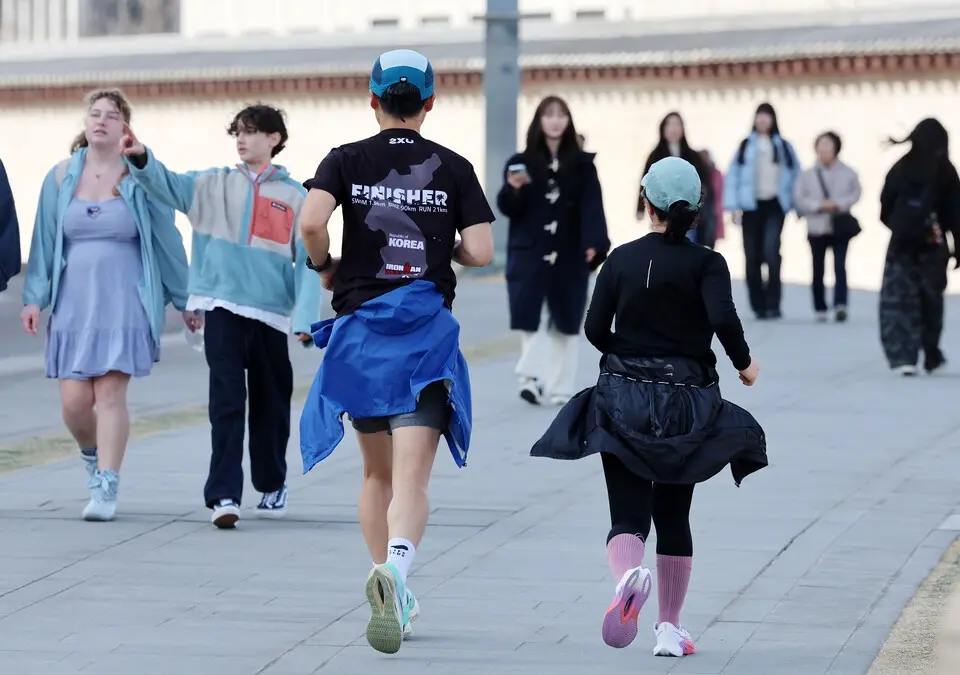
Hybrid styling that blends athletic wear with everyday outfits is becoming standard. Designs now consider commuting, urban mobility, and multifunctional use. Consumers are no longer buying “sports gear”—they are buying lifestyle-compatible products.
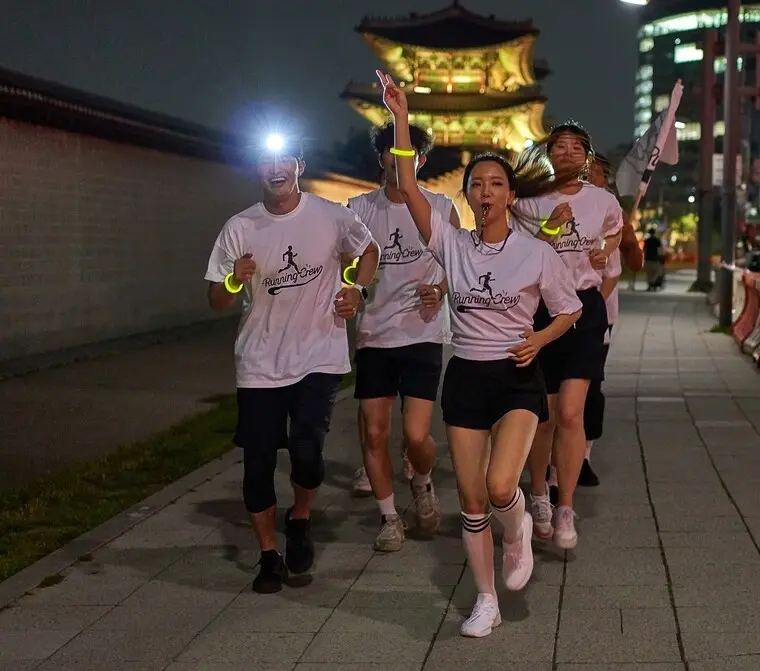
Running also drives community-based consumption. Brand sessions, running crews, and experiential events increase retention and deepen loyalty. The value lies not only in the product, but in participation.
Running is transitioning from a performance-driven category into a structural pillar of urban lifestyle economics.
A $122 Billion Industry, And Seoul’s Strategic Position
Running as an Urban Economic Engine
By 2035, the global running equipment market is expected to surpass $122 billion, growing at a steady CAGR of 5.5%.
But the more critical question is this:
Is running merely an equipment market—or a lifestyle economy?
Seoul appears to be answering that question.
Running crews, experiential pop-ups, membership ecosystems, and digital content are merging into a cohesive urban industry model.
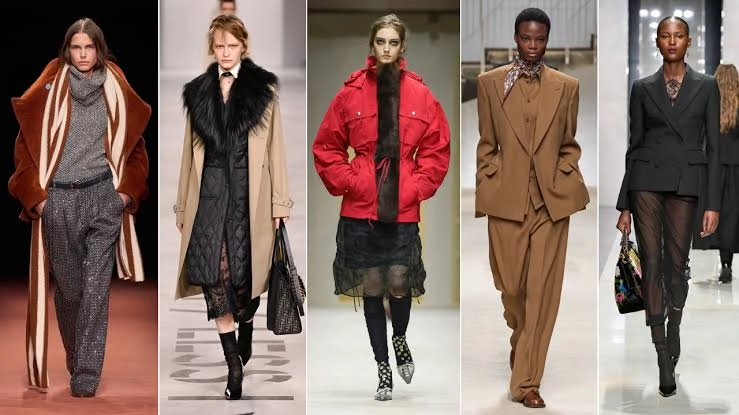
Fashion has absorbed running.
Retail has platformized it.
Social media has amplified it.
Seoul Moment views this evolution as clear:
Running is the fastest-growing urban lifestyle industry today.
The real competition is no longer about who runs faster.
It is about who connects better.
And Seoul is currently leading that experiment.