If It Succeeds in Korea, It Can Succeed Anywhere
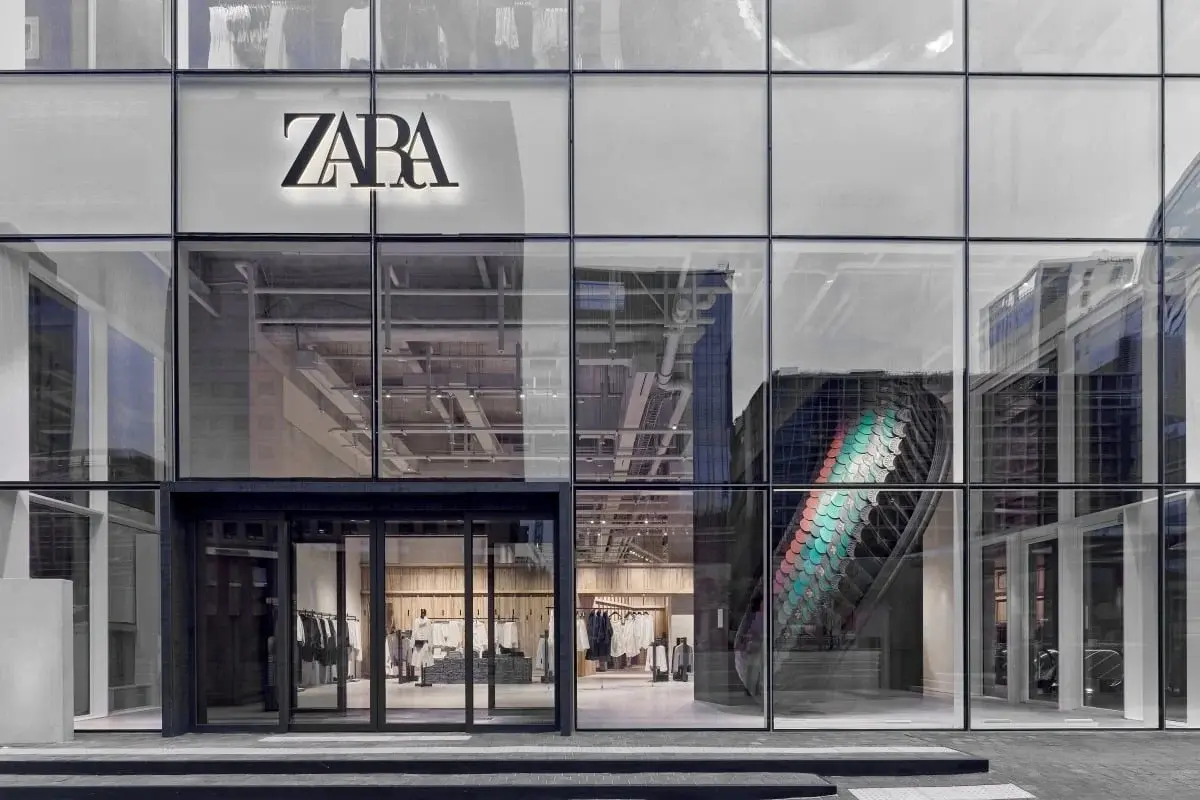
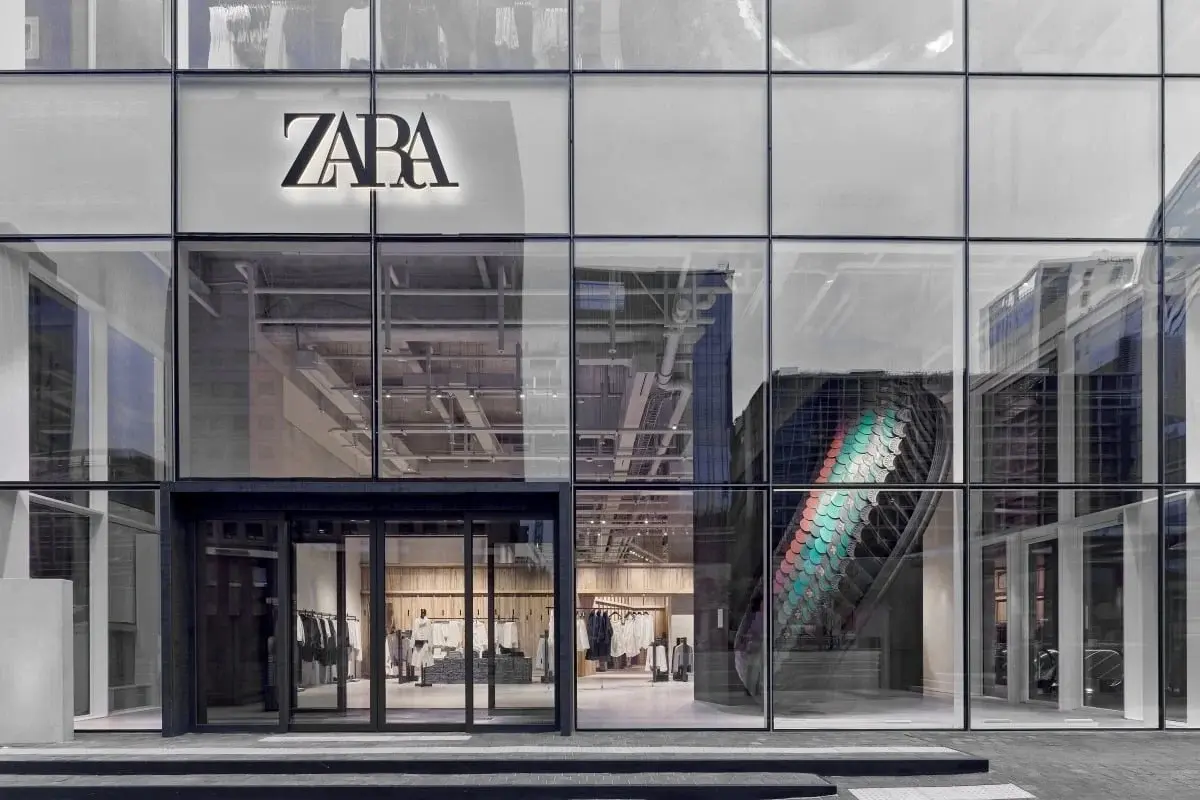
Global fashion retailer Zara has opened its second flagship store in South Korea, bringing a new retail landmark to the heart of Gangnam, Seoul. Covering more than 2,100 square meters across three floors, the new location represents far more than an expansion of retail space. For Zara, Korea has become one of the world's most demanding consumer markets—a place where customer expectations continuously challenge brands to improve. Many of the retail innovations tested in Seoul are now influencing Zara's stores around the world. From a Korean-designed installation artwork to Zacaffè, AI-powered omnichannel services, and immersive customer experiences, the Gangnam flagship reflects how retail is evolving beyond shopping. Seoul Moment explores why Seoul has become one of the world's most influential laboratories for the future of fashion retail.

Seoul Has Become One of the World's Most Demanding Fashion Markets
Why Global Brands Are Learning From Korean Consumers
For decades, global fashion brands introduced strategies developed in Europe and North America before expanding them into Asia.
Today, that direction is changing.
Rather than simply bringing global standards into Korea, brands are increasingly using Seoul as a market where new retail concepts are tested before being introduced internationally.
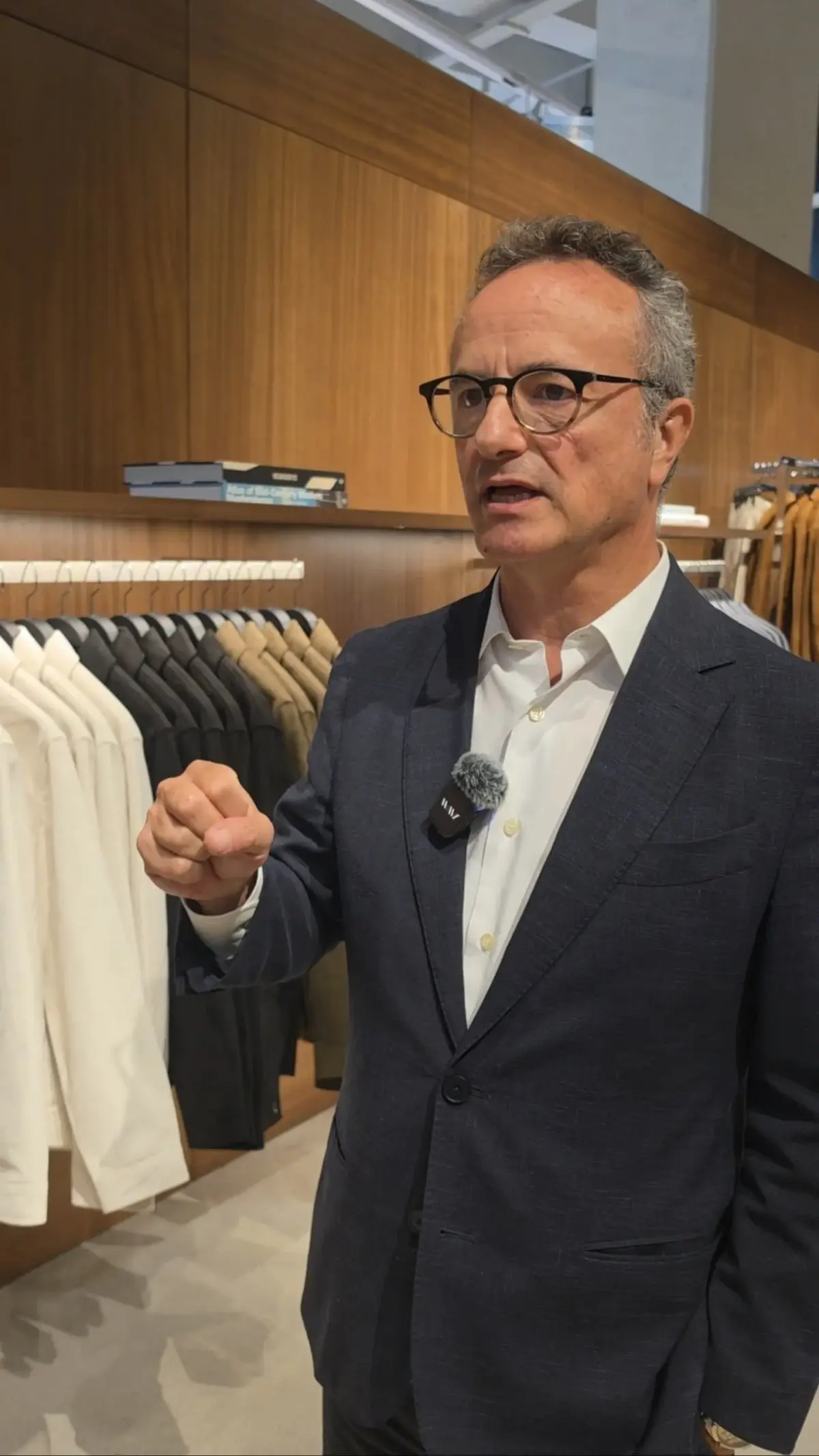
According to Inditex Chief Communication Officer Raúl Estradera, Korean consumers pay extraordinary attention to detail and expect a highly refined retail experience. Product quality alone is no longer enough—service, store design, digital convenience, and emotional engagement all shape purchasing decisions.
Instead of viewing these expectations as obstacles, Zara sees them as opportunities for innovation.
Insights gathered from Korean customers are helping refine retail strategies that will eventually be implemented across global markets.
Seoul is no longer simply a destination for international expansion—it has become a benchmark for the future of retail.
Retail Spaces Are Becoming Cultural Experiences
Design, Hospitality, and Technology Create a New Store Experience
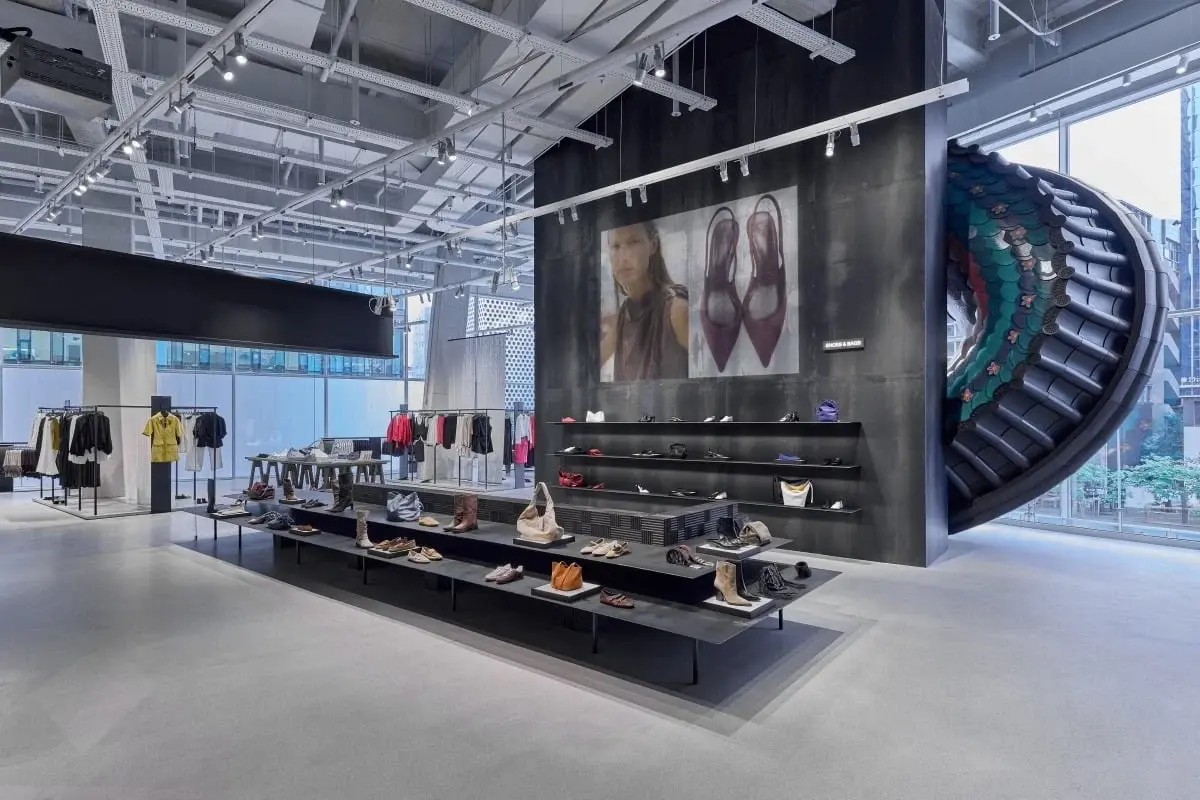
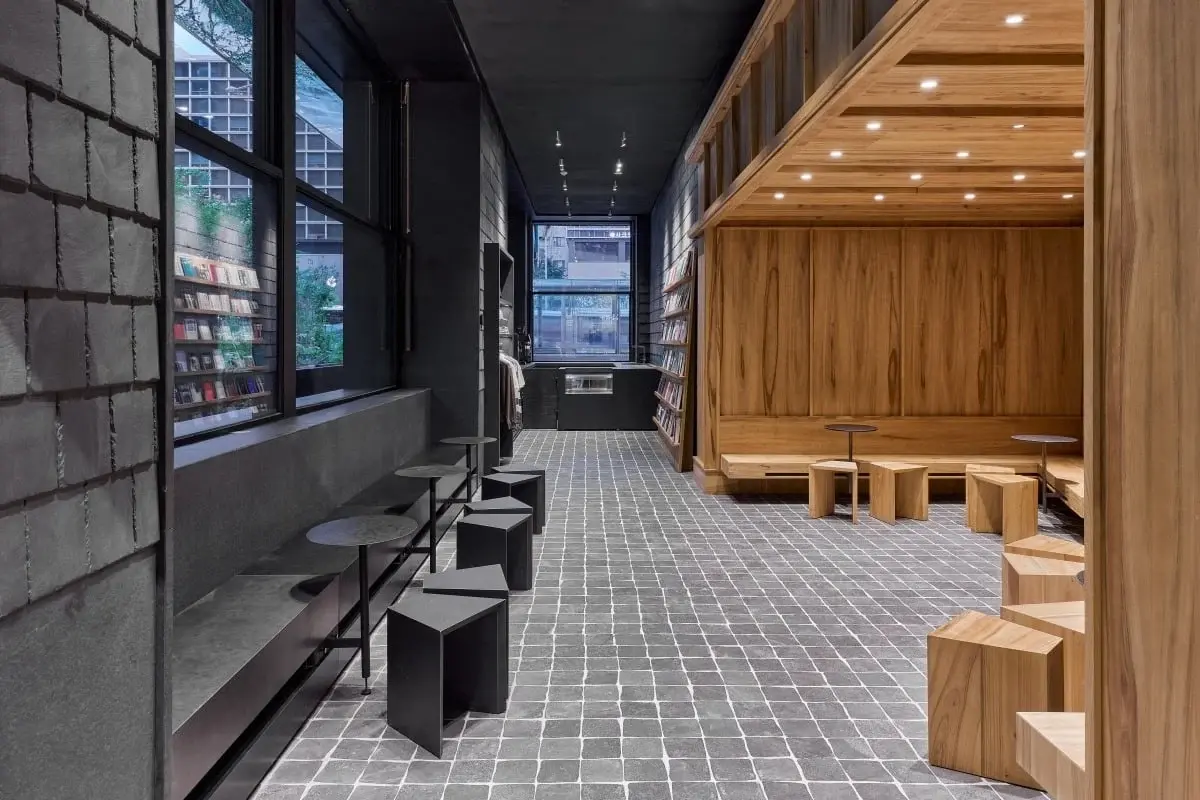
Walking into Zara's Gangnam flagship, visitors immediately notice that the focus extends beyond fashion.
A monumental installation created in collaboration with Korean creative studio Our Labour introduces a contemporary interpretation of the mythical Imugi, combining traditional Korean motifs with modern architectural design.
Rather than serving purely decorative purposes, the artwork reflects themes of transformation, ambition, and growth—values that align naturally with Zara's evolving retail philosophy.
The introduction of Zacaffè further reinforces this approach. Outside Spain, South Korea is one of the very few markets where the café concept has been introduced, transforming shopping into a slower, more enjoyable experience.
Technology also plays a central role.
AI-powered inventory search, two-hour click-and-collect services, dedicated pickup areas, and integrated return systems seamlessly connect online and offline shopping.
Today's competitive advantage is no longer measured by store size alone.
It is defined by how naturally a brand becomes part of a customer's daily life.
Korean Culture Is Shaping Global Retail
Why International Brands Continue Looking Toward Seoul
One of the most distinctive aspects of the Gangnam flagship is how naturally Korean culture has been incorporated into the overall retail experience.
Instead of treating local identity as decoration, Zara collaborated with Korean creatives to reinterpret traditional aesthetics through contemporary design.
This reflects a broader shift taking place across the fashion industry.
Brands are increasingly seeking inspiration from the cities where culture, design, music, and creativity evolve together.
Raúl Estradera also highlighted his admiration for Korean cinema, music, and art, emphasizing how Korea continues to inspire global creative industries.
Today, Seoul is no longer recognized only for K-pop or K-dramas.
It has become an international reference point for design, retail innovation, and cultural storytelling.
Seoul Is Becoming the Blueprint for the Future of Retail
A Flagship Store That Looks Beyond Shopping
The Gangnam flagship represents far more than Zara's newest store.
It serves as a glimpse into how global retail may continue evolving over the coming years.
Design, technology, hospitality, local culture, and customer experience are no longer independent elements—they are becoming part of one unified retail ecosystem.
Brands including Musinsa, Olive Young, Gentle Monster, and now Zara are demonstrating that successful stores are no longer built around products alone.
They are built around experiences.
Seoul Moment believes Zara's latest flagship symbolizes a significant shift in the global fashion industry.
Seoul is no longer simply a market where brands sell products.
It has become a city where the future of retail is imagined, tested, and ultimately exported to the rest of the world.