Milan 2026, The Winter Olympics Reimagined Through Design
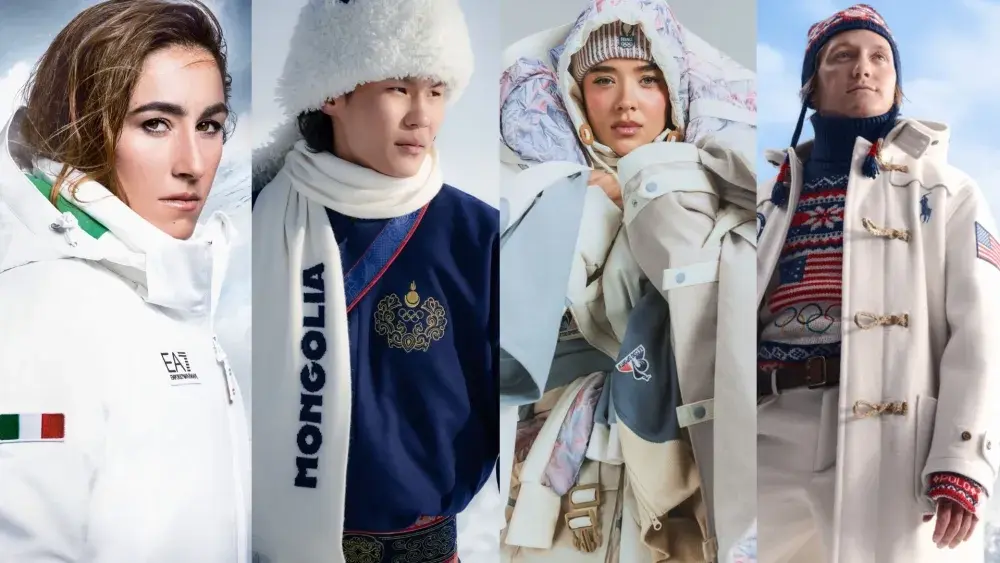
The opening of the 2026 Milan Winter Olympics immediately signaled a shift from previous Games. National team uniforms were no longer perceived as mere sports equipment, but as visual statements—revealing how each country defines itself and wishes to be seen on the global stage. Held in Milan, one of the world’s fashion capitals, this Olympics naturally blurred the boundary between sport and fashion. Through collaborations with fashion and sports brands, uniforms became cultural outcomes rather than functional necessities. In Milan 2026, uniforms spoke before results did.

Mongolia, Translating Tradition Into Contemporary Design
When tradition becomes structure, it speaks the most modern language.
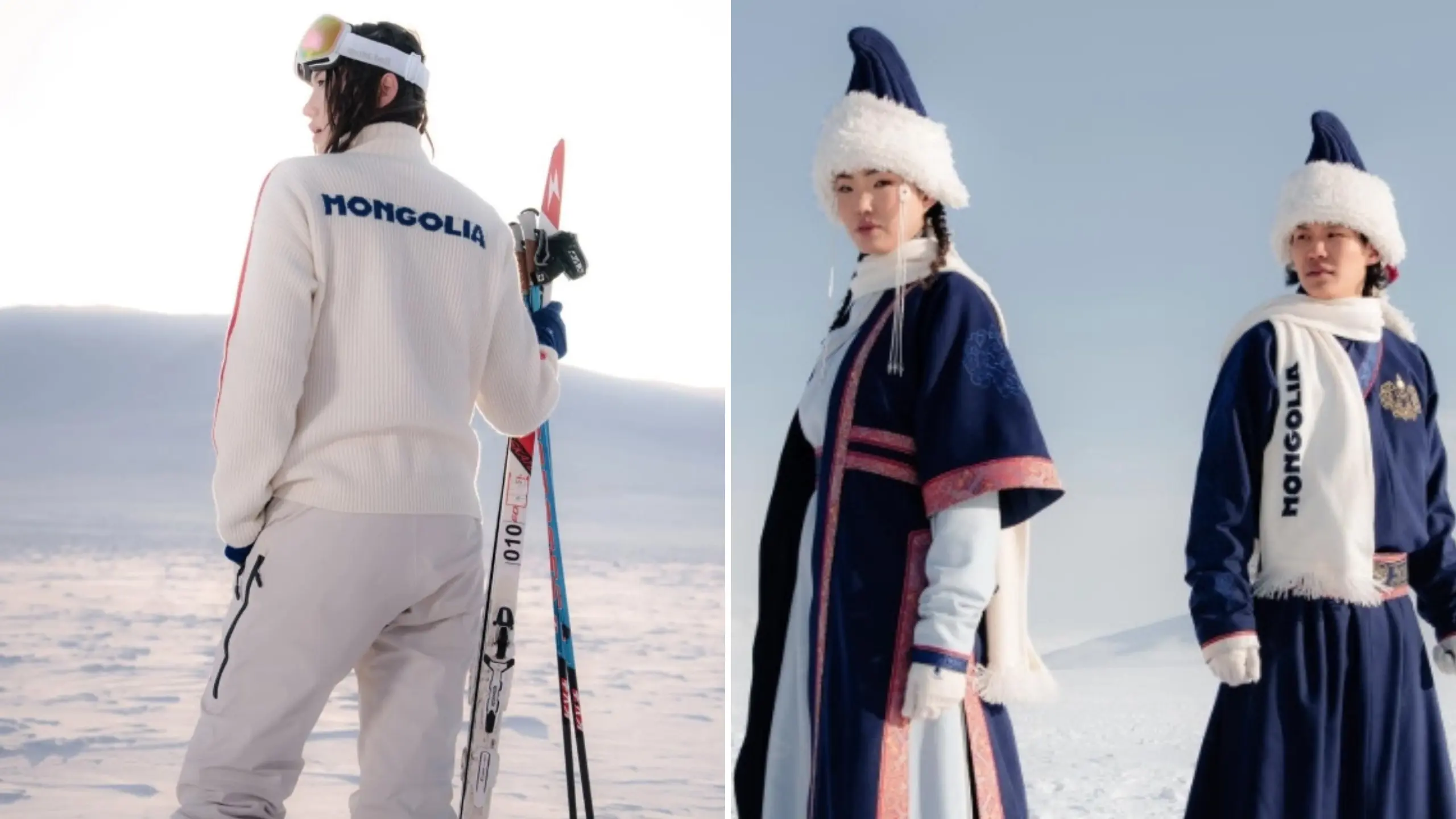
Mongolia’s uniforms left one of the strongest impressions in Milan—not through spectacle, but through restraint. Instead of relying on global sportswear templates, Mongolia collaborated with local designers and studios rooted in traditional Mongolian dress, placing cultural identity at the core of the design.
Elements drawn from the traditional deel were not decorative references but structural foundations. Straight silhouettes, wrapping constructions, and symbolic patterns functioned simultaneously as cultural expression and performance-oriented design. Tradition was not preserved as an image, but activated within a modern sporting context.
What defined Mongolia’s approach was confidence. By refusing to dilute its visual language for global trends, the uniform became more visible—not less—on the international stage. Mongolia demonstrated that tradition, when handled with clarity, is not a limitation but a competitive asset.
United States, Designing Sport and Fashion as an Industry
When function, accessibility, and commerce align, a global standard emerges.
When function, accessibility, and commerce align, a global standard emerges.
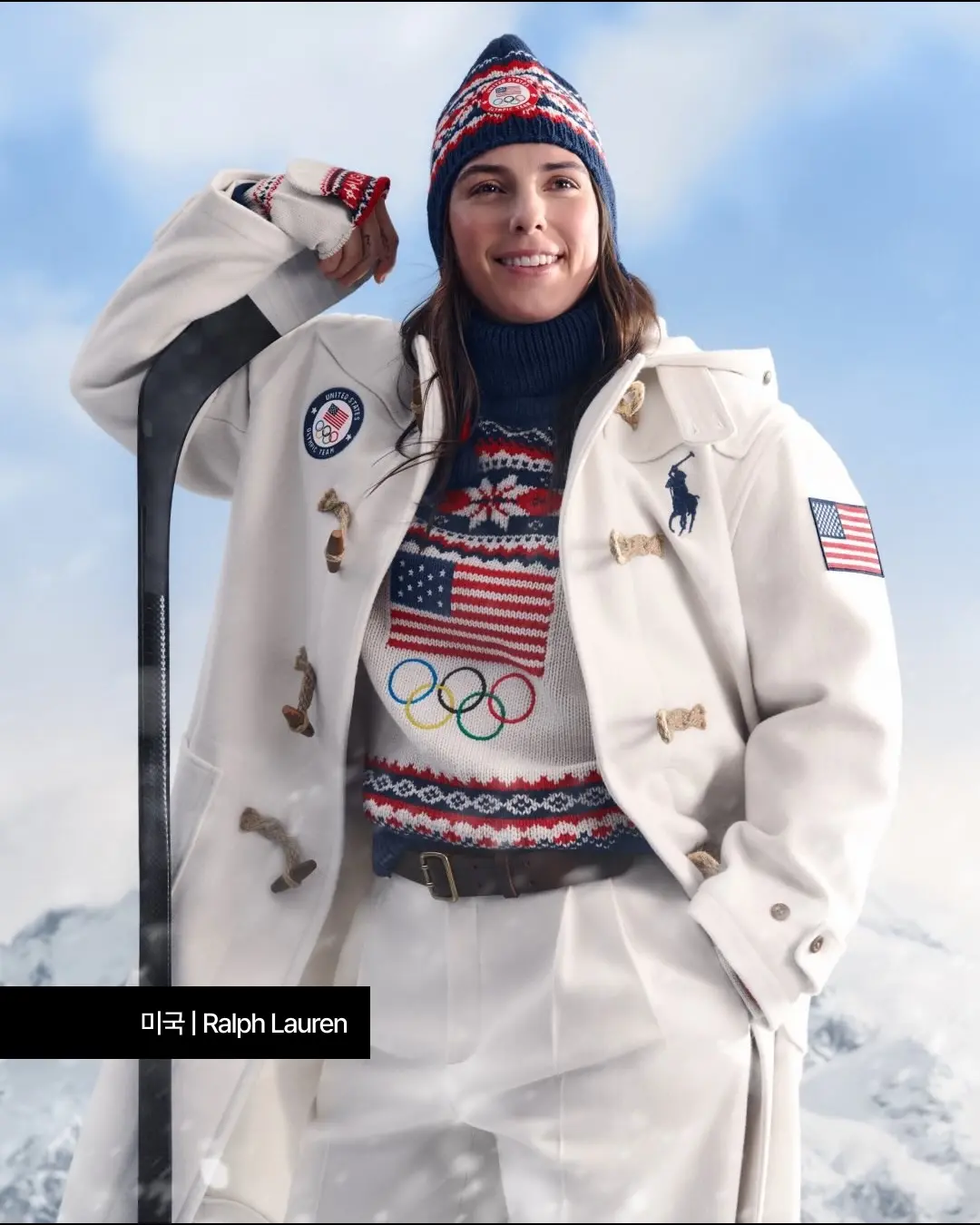
The United States once again delivered a uniform defined by consistency and strategic clarity. Partnering primarily with Nike, the U.S. team showcased a system where performance, mass appeal, and brand identity coexist seamlessly.
Rather than relying on overt symbolism, the American uniform emphasized refined silhouettes, advanced materials, and balanced color palettes. This understated approach reflects how the U.S. treats sportswear not as apparel alone, but as a scalable global industry.
In Milan, the boundary between competition wear and everyday style became even thinner. Designed to transition beyond the stadium, the uniform echoed Nike’s long-standing lifestyle-driven strategy. The U.S. reaffirmed its position as the nation that most effectively integrates sport, fashion, and industry.
Brazil, Expanding the Visual Language of the Winter Games
Winter sports can also be a stage for cultural expression.
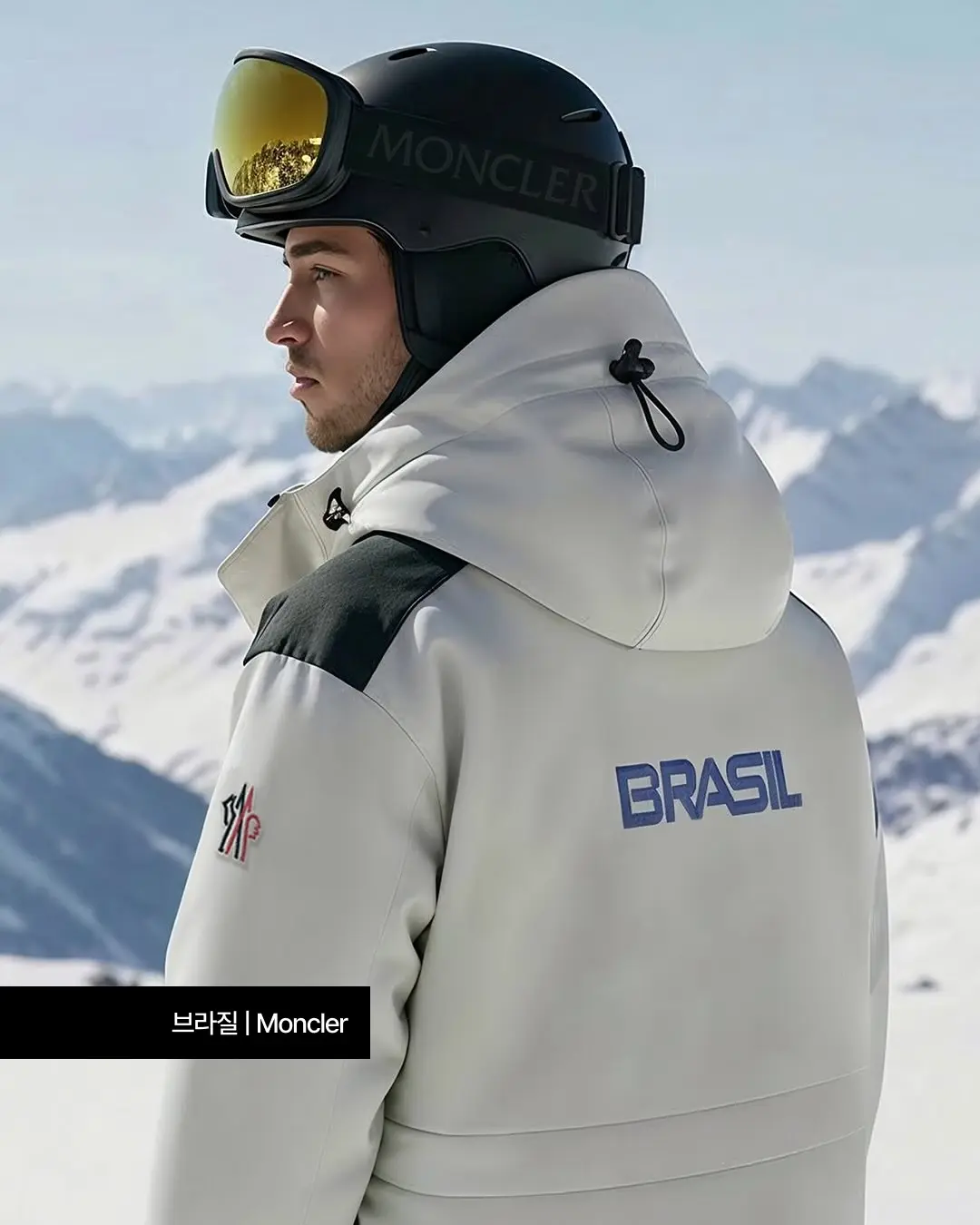
Brazil delivered one of the most unexpected moments of the Milan Olympics. Through collaboration with Brazilian sports brands and global partners, the team challenged the conventional aesthetics of winter sports.
Vibrant colors and rhythmic graphics were not mere visual contrasts, but expressions of Brazil’s cultural philosophy. Against the muted backdrop of winter sports, Brazil asserted that energy and warmth need not disappear in cold environments.
Functionality remained intact. Technical performance suitable for harsh conditions was paired with expressive design, proving that sportswear can respond to climate while still conveying emotion. Brazil expanded the aesthetic vocabulary of the Winter Olympics itself.
France, Turning Olympic Uniforms Into a Collection
When sportswear meets couture, national branding becomes culture.
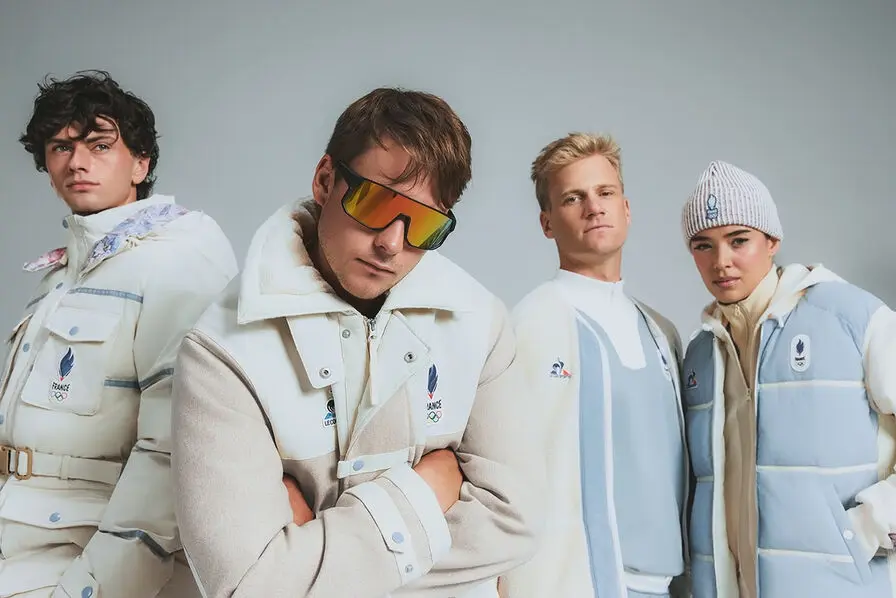
France approached the Milan Olympics with a fashion-first perspective. Through collaborations with French luxury houses and LVMH-affiliated brands, the French uniform was conceived not simply as equipment, but as a cohesive collection.
Muted tones, precise tailoring, and subtle variations in silhouette transformed the athletes into a moving runway. France deliberately blurred the line between performance wear and fashion piece, reflecting a cultural attitude that refuses to separate the two.
For France, Olympic uniforms are extensions of national brand identity. In Milan, this approach felt especially natural. The result was a clear statement: the Olympics can function as a global fashion stage when design philosophy leads the way.