Running Is No Longer Just Running, How Korea Became a Global Running Industry Hub
Running was once the simplest form of exercise. No equipment, no rules, no culture beyond movement itself. Today, in Korea, running has transformed into something far greater. It has become a lifestyle, an industry, and a key market that global running brands actively compete for. This article explores how Korea’s running boom evolved into a cultural and commercial force, and why the global running industry now looks to Korea for direction.

Running as a Lifestyle, Not a Workout
From individual exercise to a shared urban culture
In recent years, running culture in Korea has shifted dramatically.
What was once a solitary activity has become community-driven, centered around running crews and social networks. Early-morning city runs, post-run cafés, and shared digital records have repositioned running as part of everyday life.
In cities like Seoul, running is less about performance and more about experience.
Where you run, who you run with, and how the experience fits into daily routines now matter more than pace or distance. Running has become a way to experience the city itself.
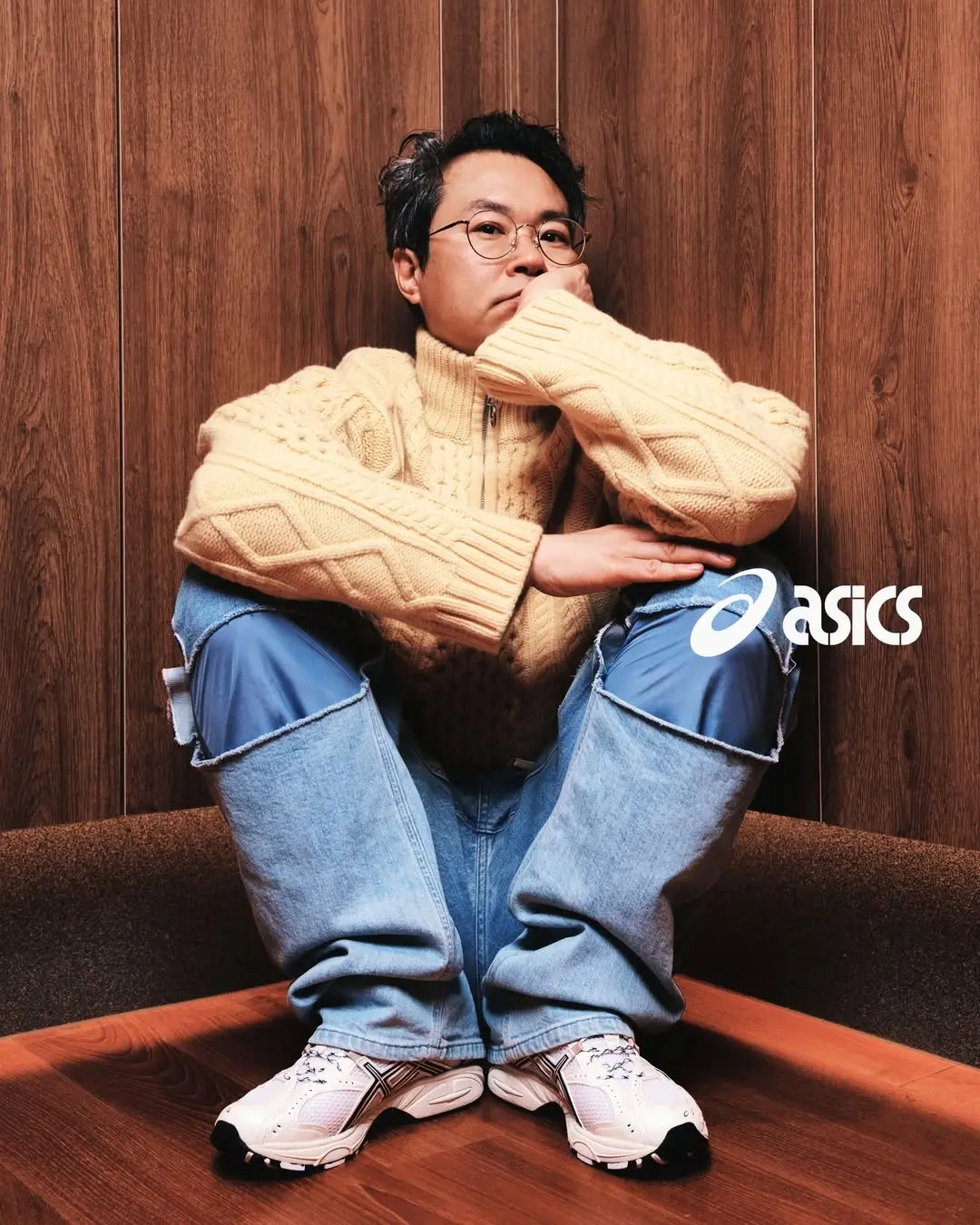
Why Global Running Brands Focus on Korea
Korea as a testing ground, not just a sales market
This cultural shift has attracted the attention of major global running brands.
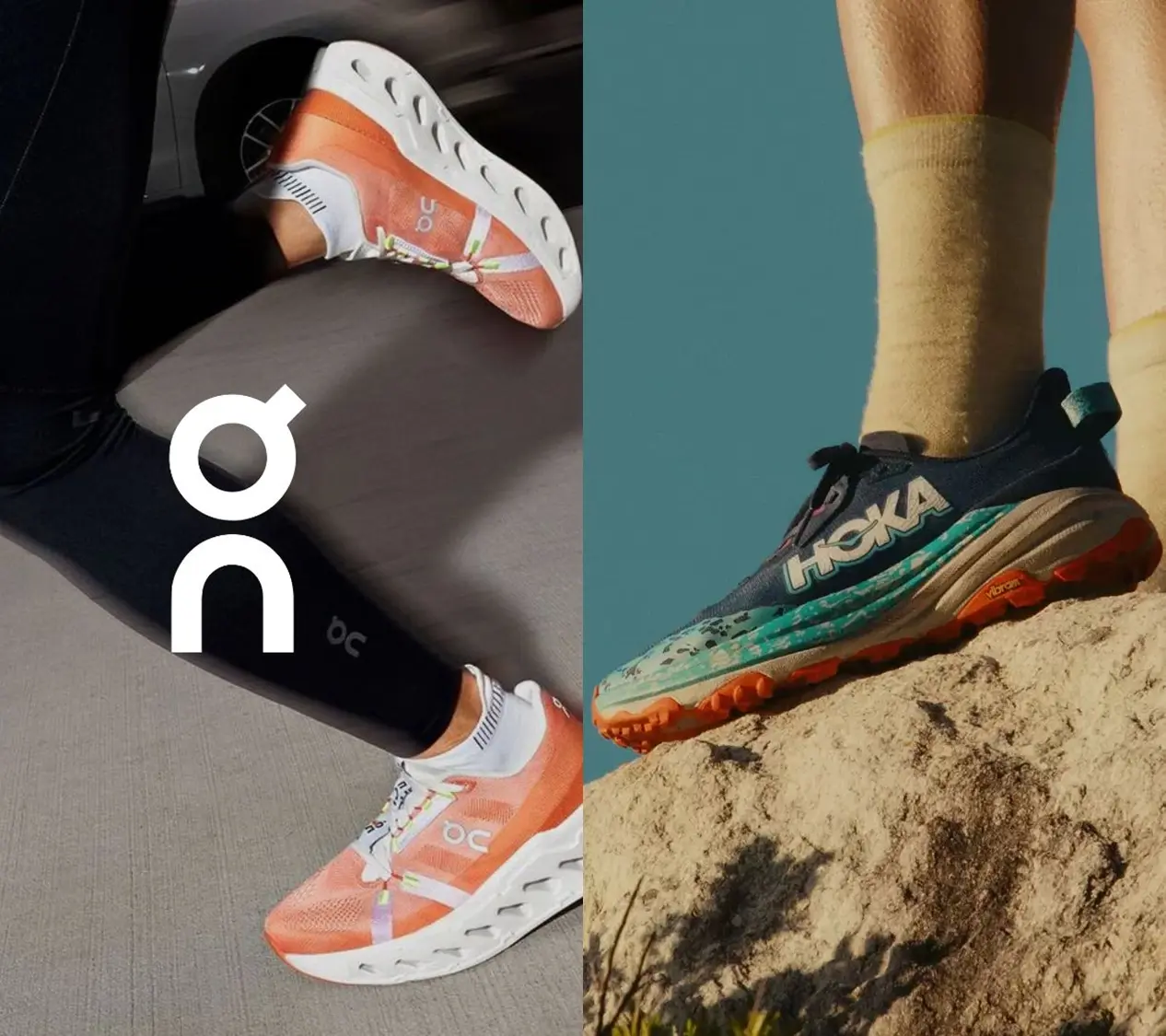
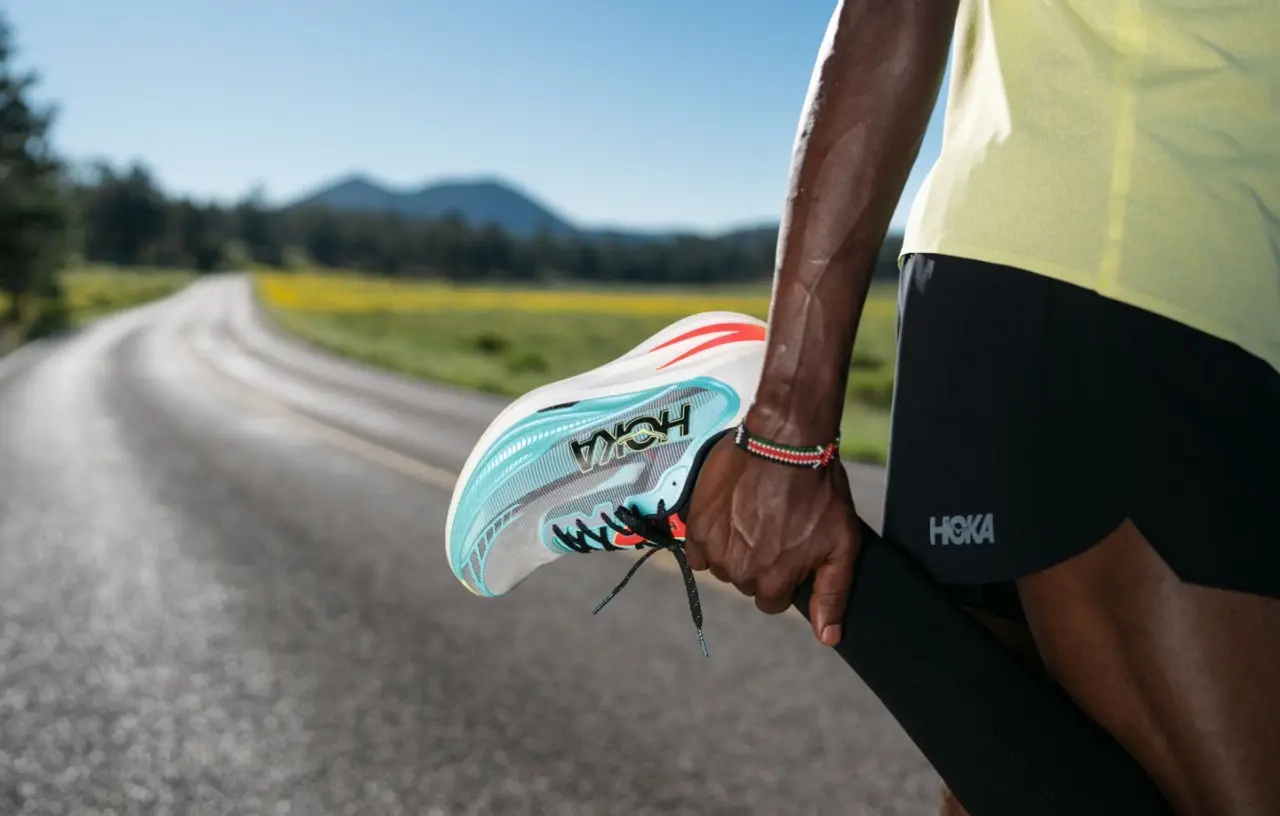
Companies such as Nike, adidas, ASICS, New Balance, HOKA, and On Running have significantly increased their presence in Korea, not merely to sell products, but to experiment.
Korean consumers are highly engaged and trend-sensitive.
They evaluate performance, design, and brand philosophy with equal intensity. For brands, Korea offers a rare environment where product testing, community building, and brand storytelling can happen simultaneously. Many initiatives proven in Korea later expand globally.
Running Expands into Fashion, Content, and Space
From equipment to a multi-layered industry ecosystem
The running industry now extends far beyond shoes and apparel.
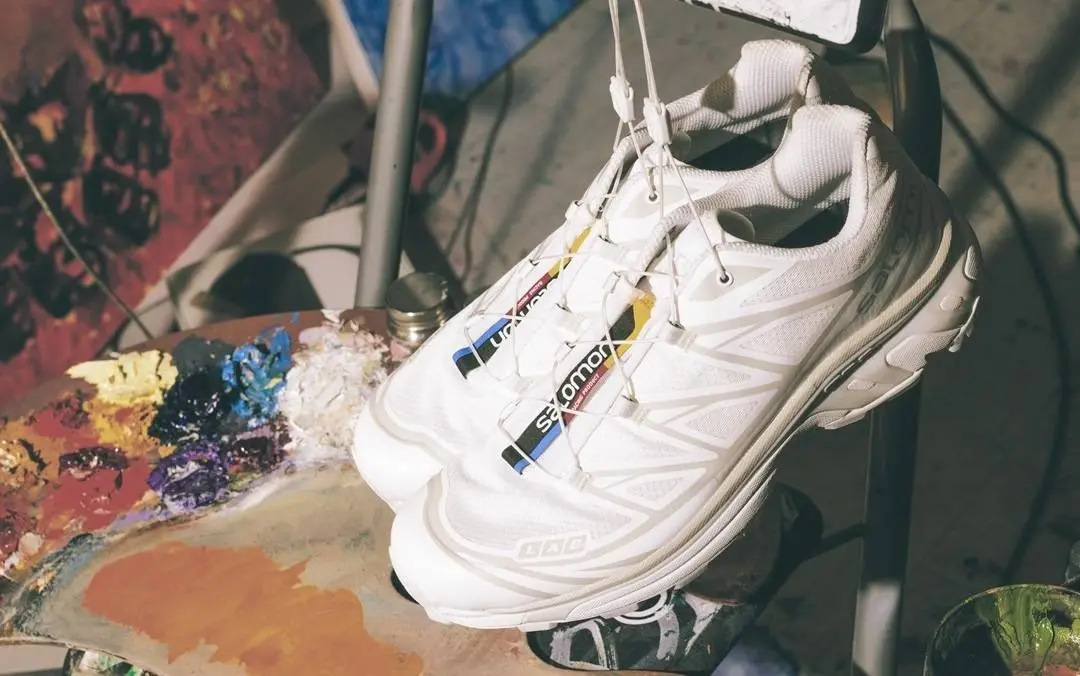
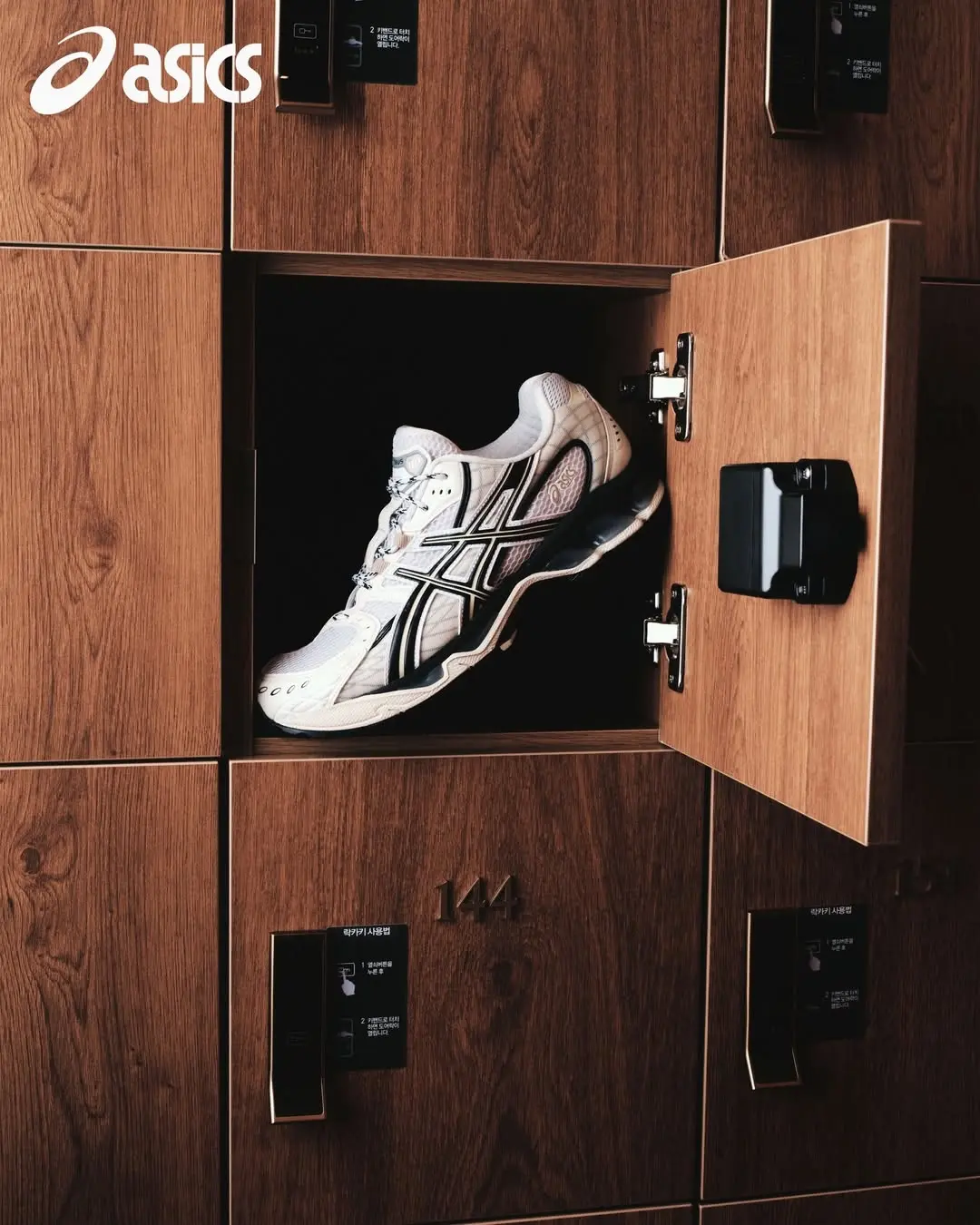
Technical running wear blends seamlessly into everyday fashion, giving rise to trends such as “running-core.” Running shoes have become style statements as much as performance tools.
Brands are also investing in content and physical spaces.
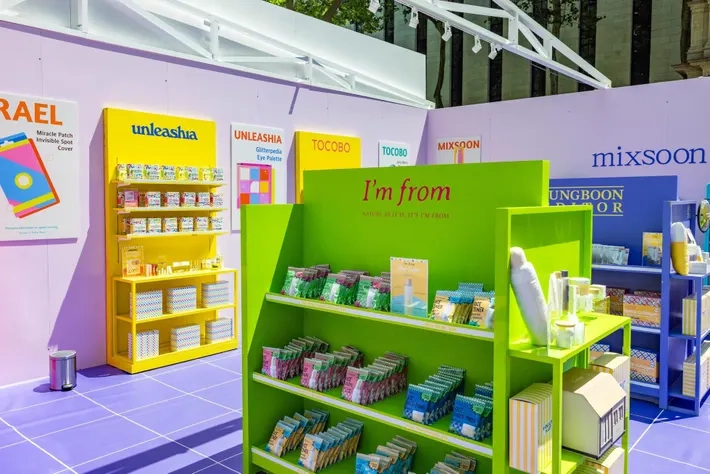
Pop-ups, base camps, and brand-hosted running events prioritize experience over transactions. Running has become one of the most powerful platforms for brands to build long-term relationships with consumers.
The Synergy Created by Korea’s Running Scene
When global technology meets local culture
What makes Korea unique is the speed at which global brands and local culture integrate.
Brands bring technology and scale, while Korean running communities contribute creativity and cultural relevance. Together, they form new standards in running culture.
Korea is no longer importing running trends.
It is exporting them. From running crews to style aesthetics and experiential branding, Korea now plays a central role in shaping the future of the global running industry.