


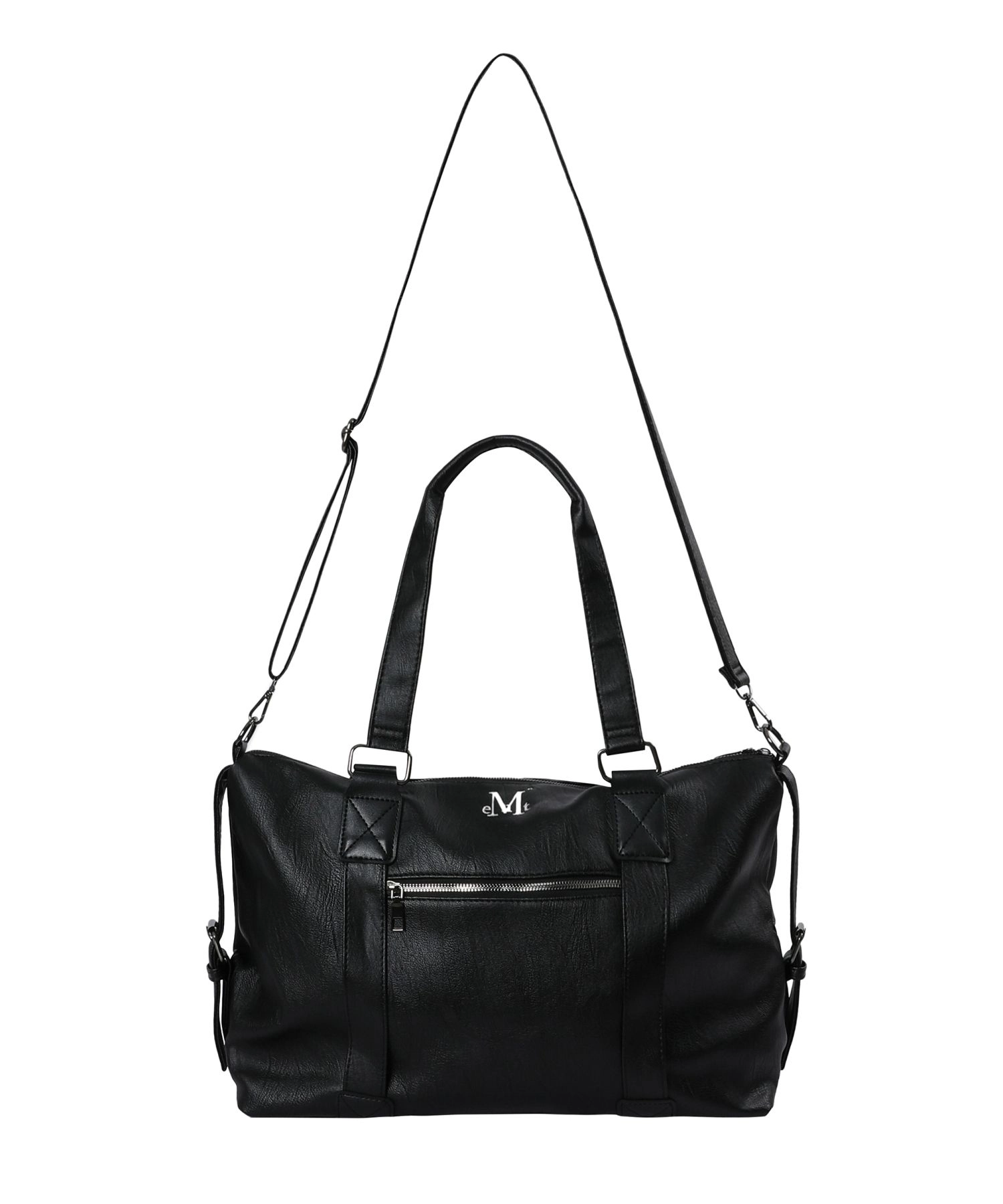
MUCENT Prime Wrinkle Leather Tote Bag Black
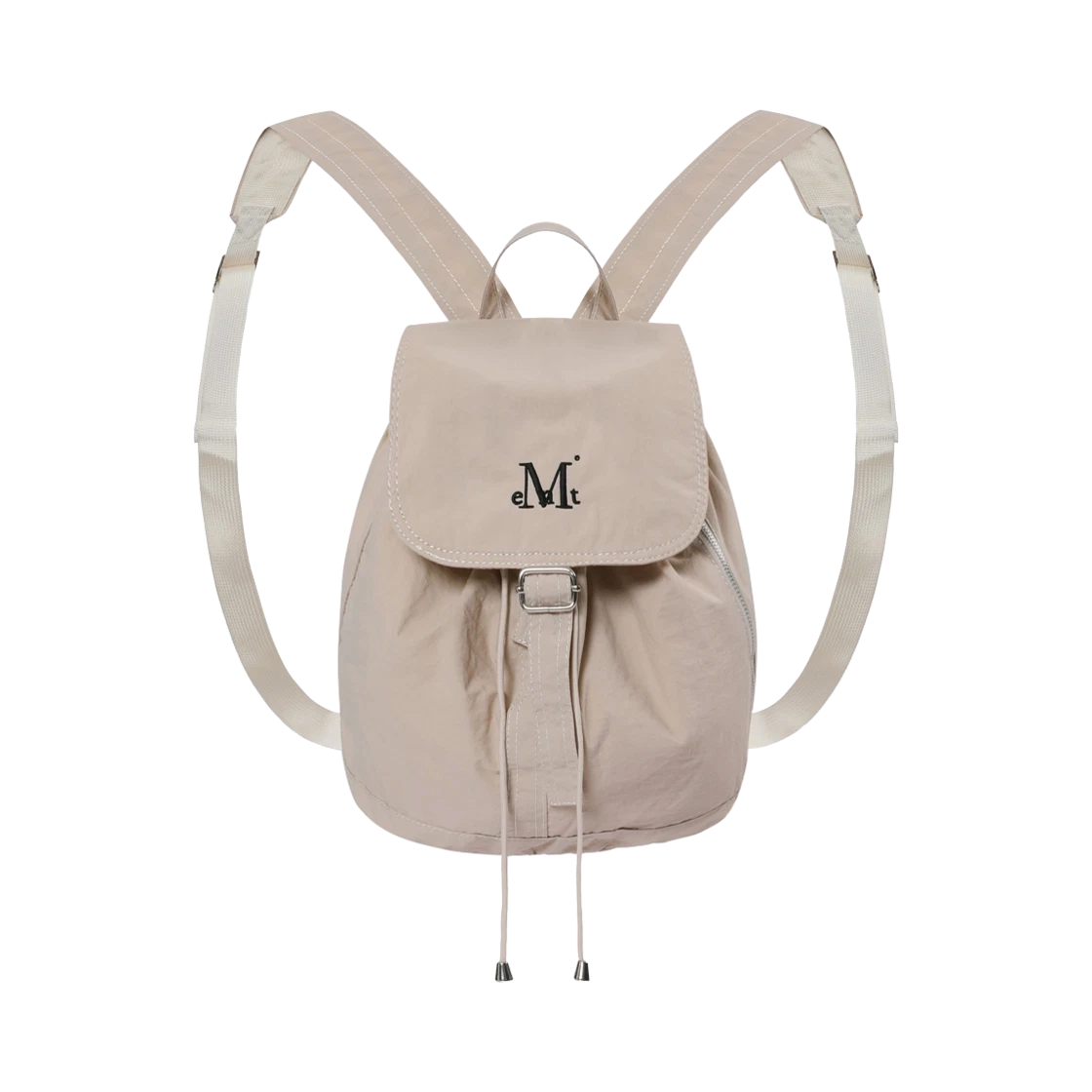
MUCENT Mute Mini Back Pack Beige
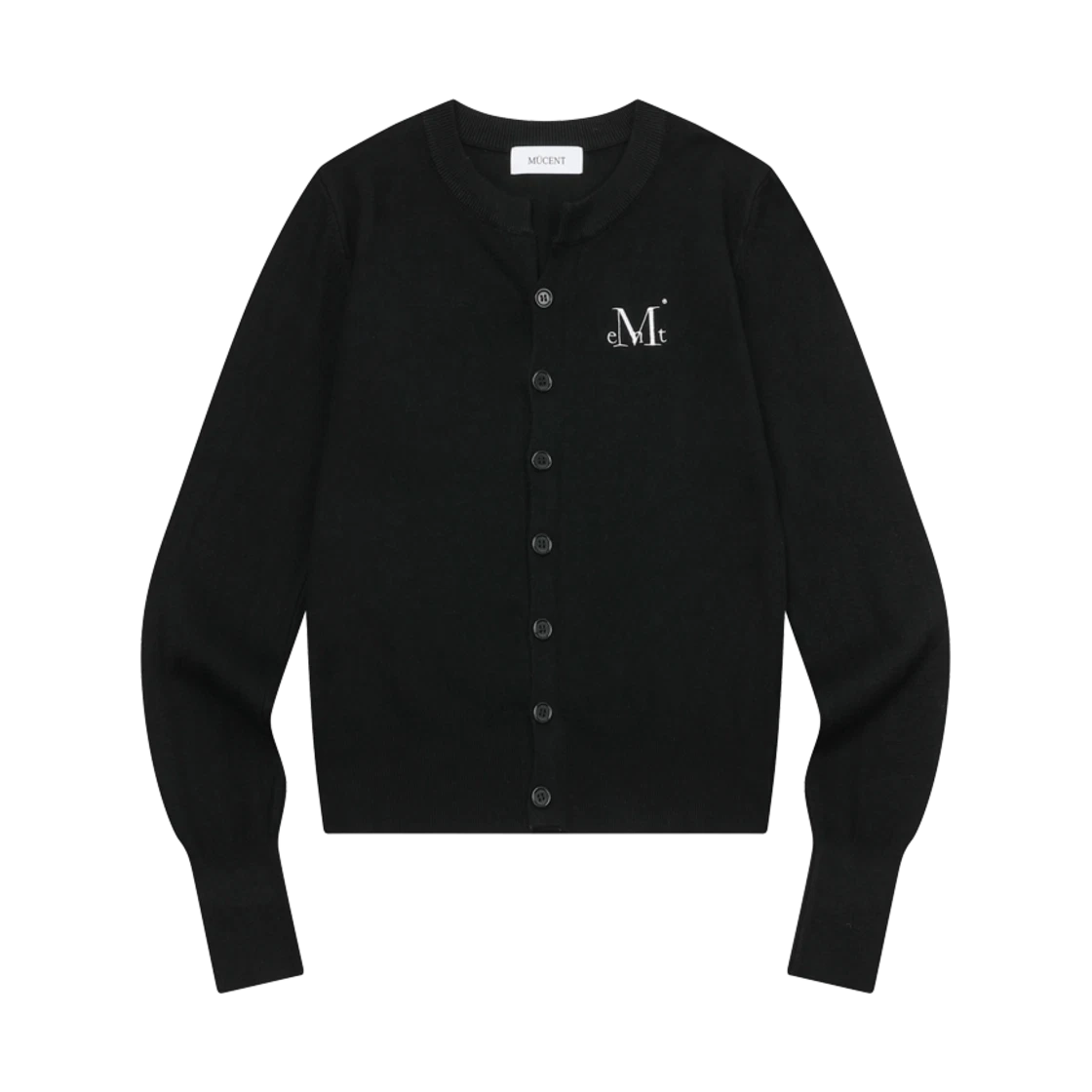
MUCENT Marais 7 Button Crop Henry Neck Cardigan Black
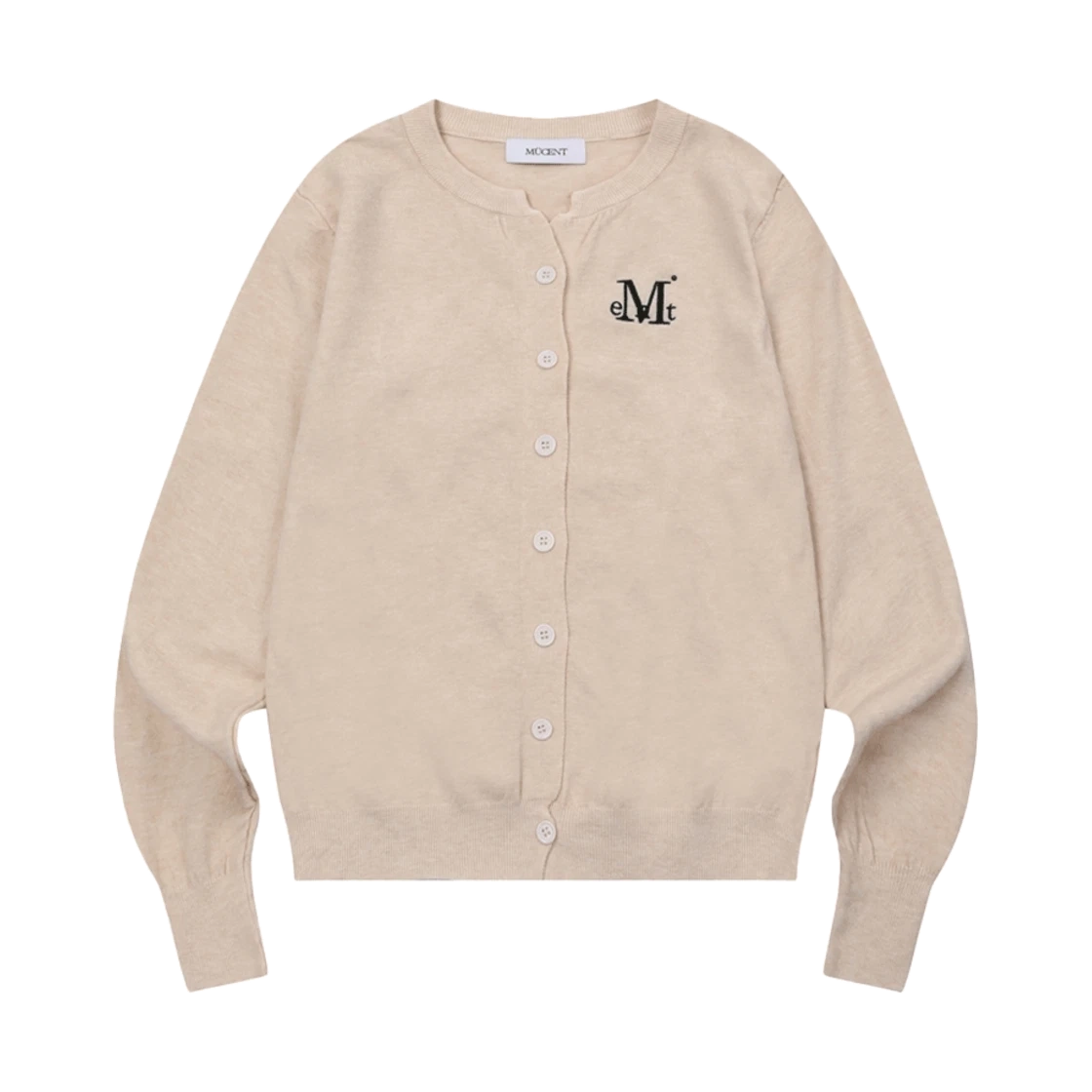
MUCENT Marais 7 Button Crop Henry Neck Cardigan Beige
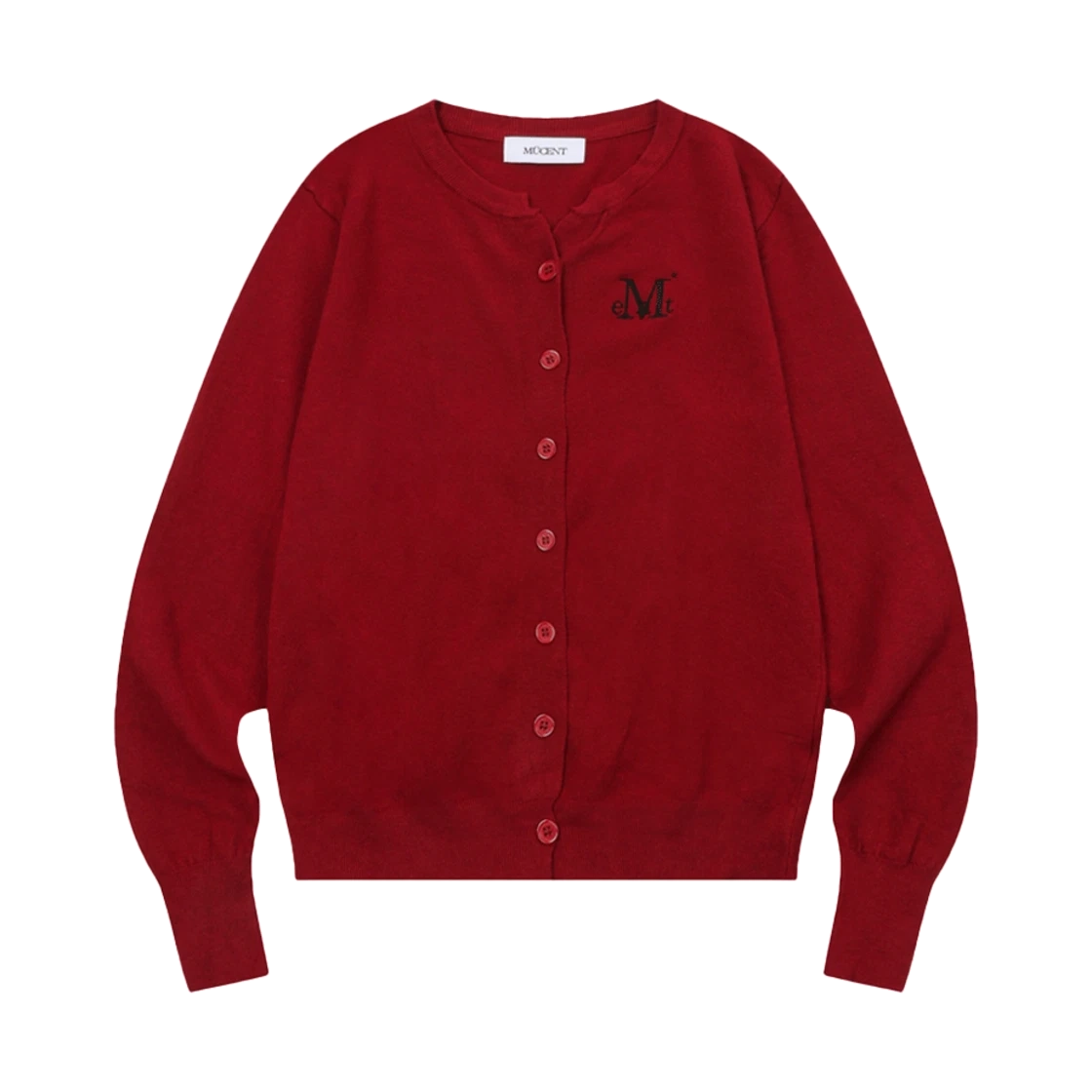
MUCENT Marais 7 Button Crop Henry Neck Cardigan Red
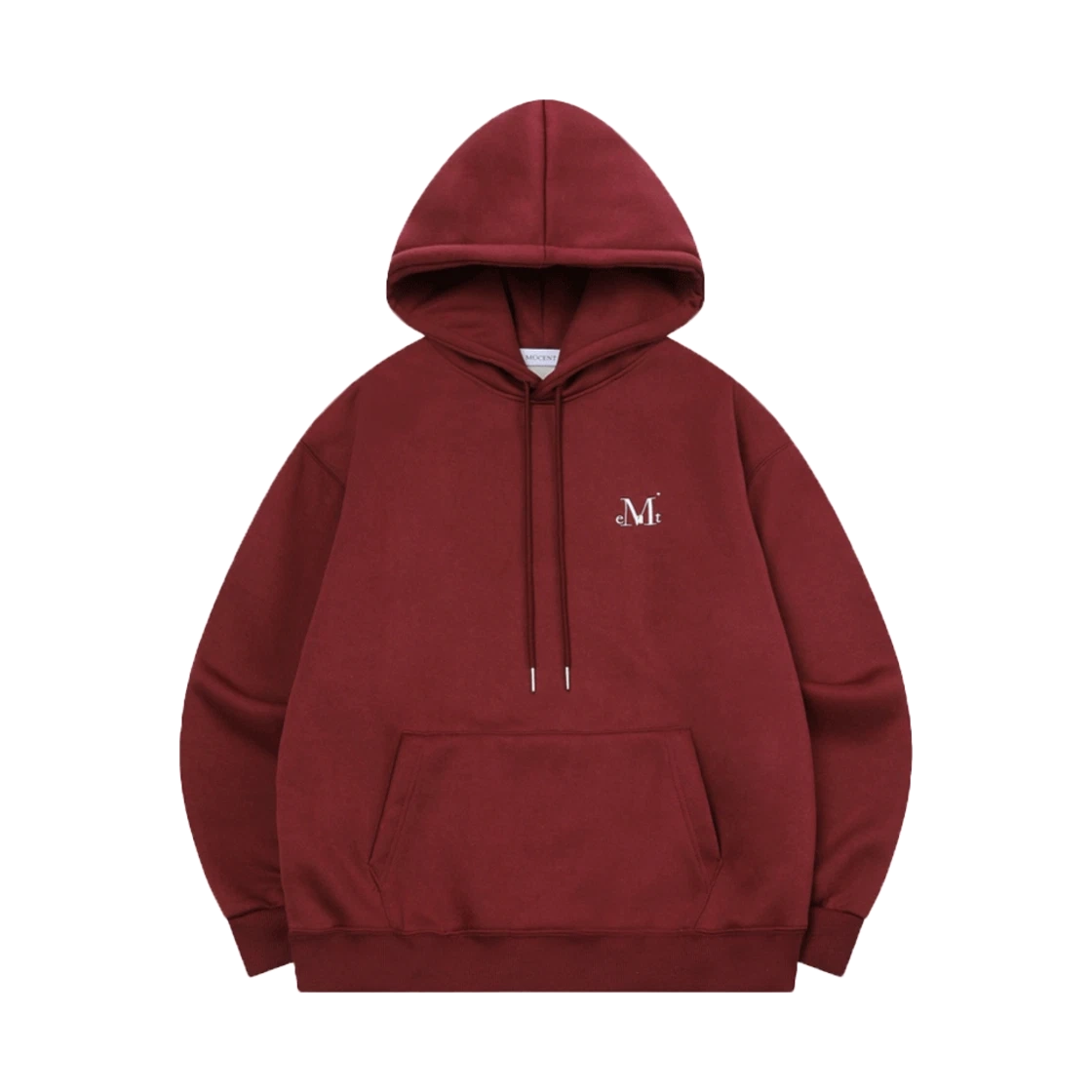
Signature Basic Logo Hood T Burgundy
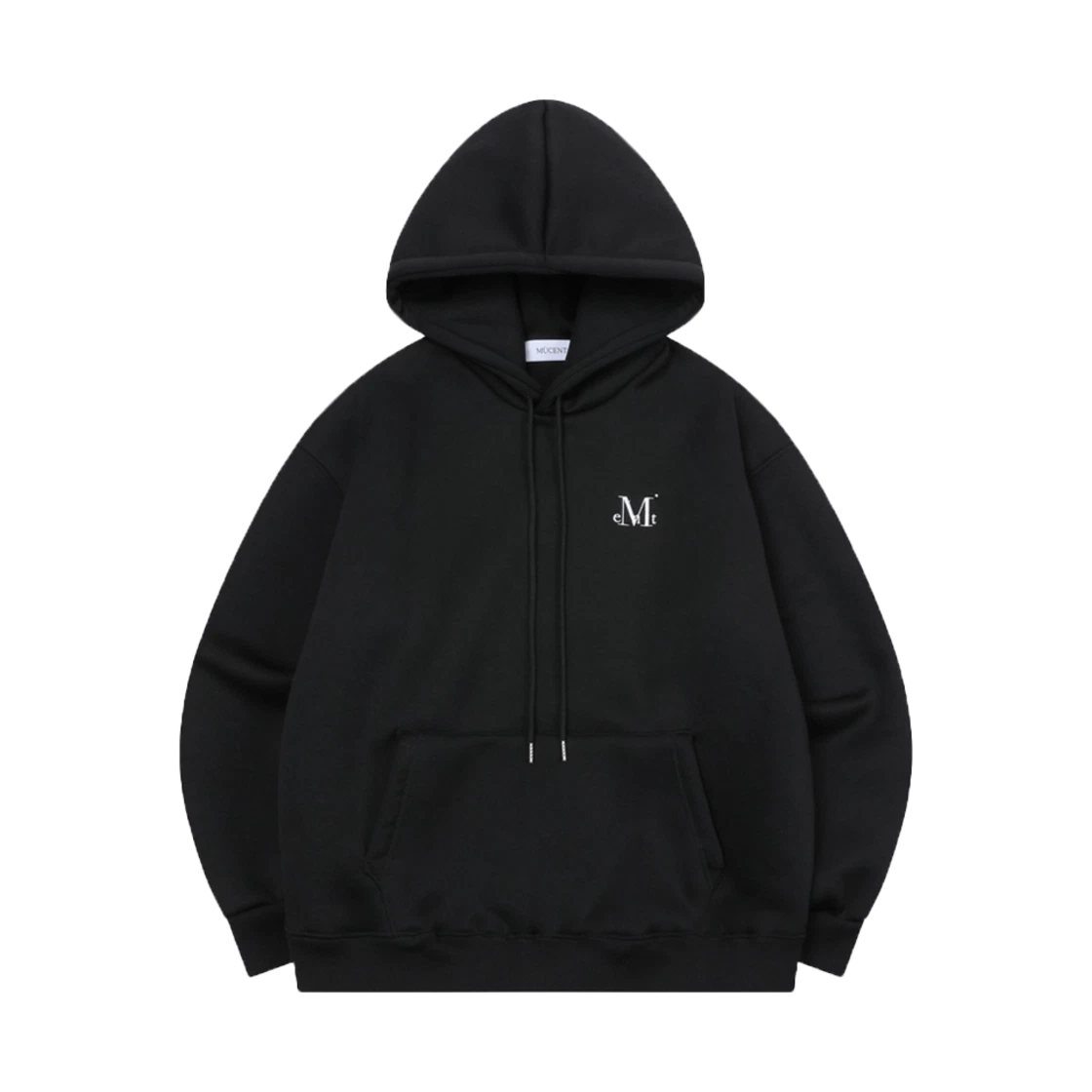
MUCENT Signature Basic Logo Hood T Black
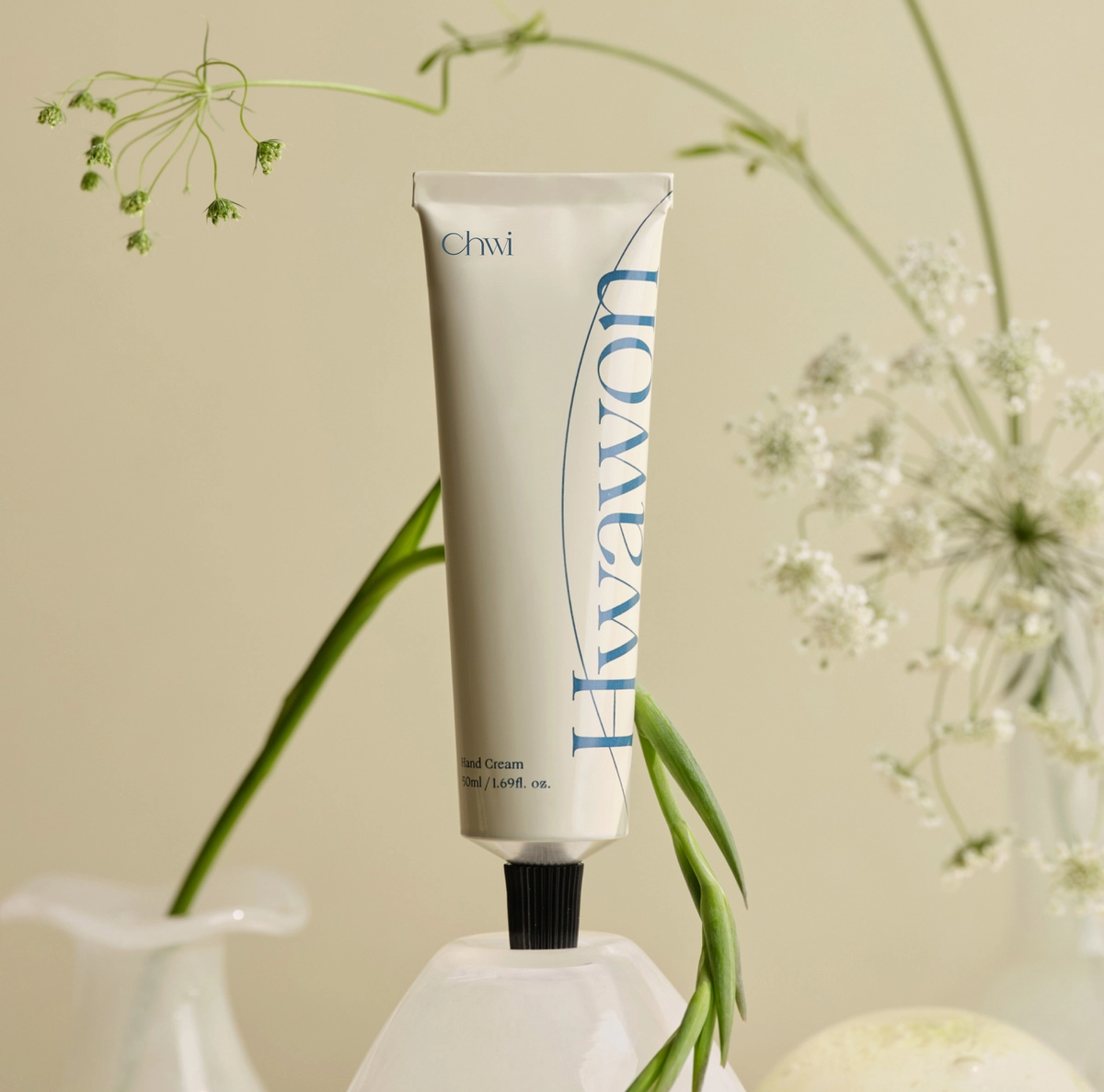
Hwawon Vegan Hand Cream
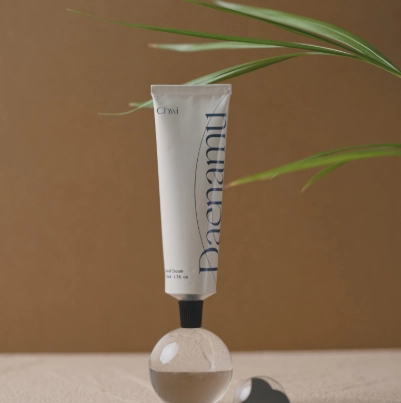
Daenamu Vegan Hand Cream
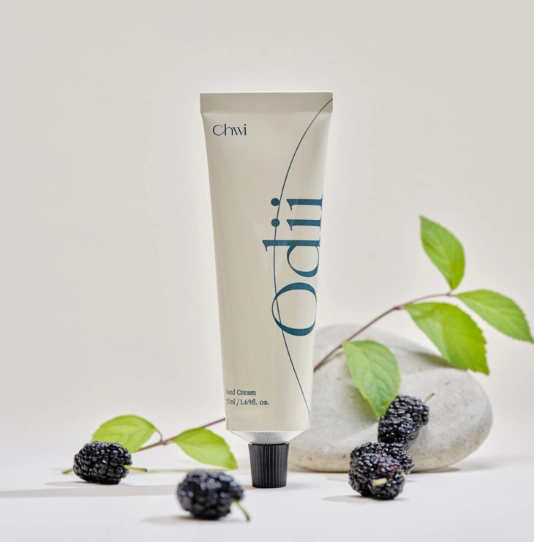
Odii Vegan Hand Cream
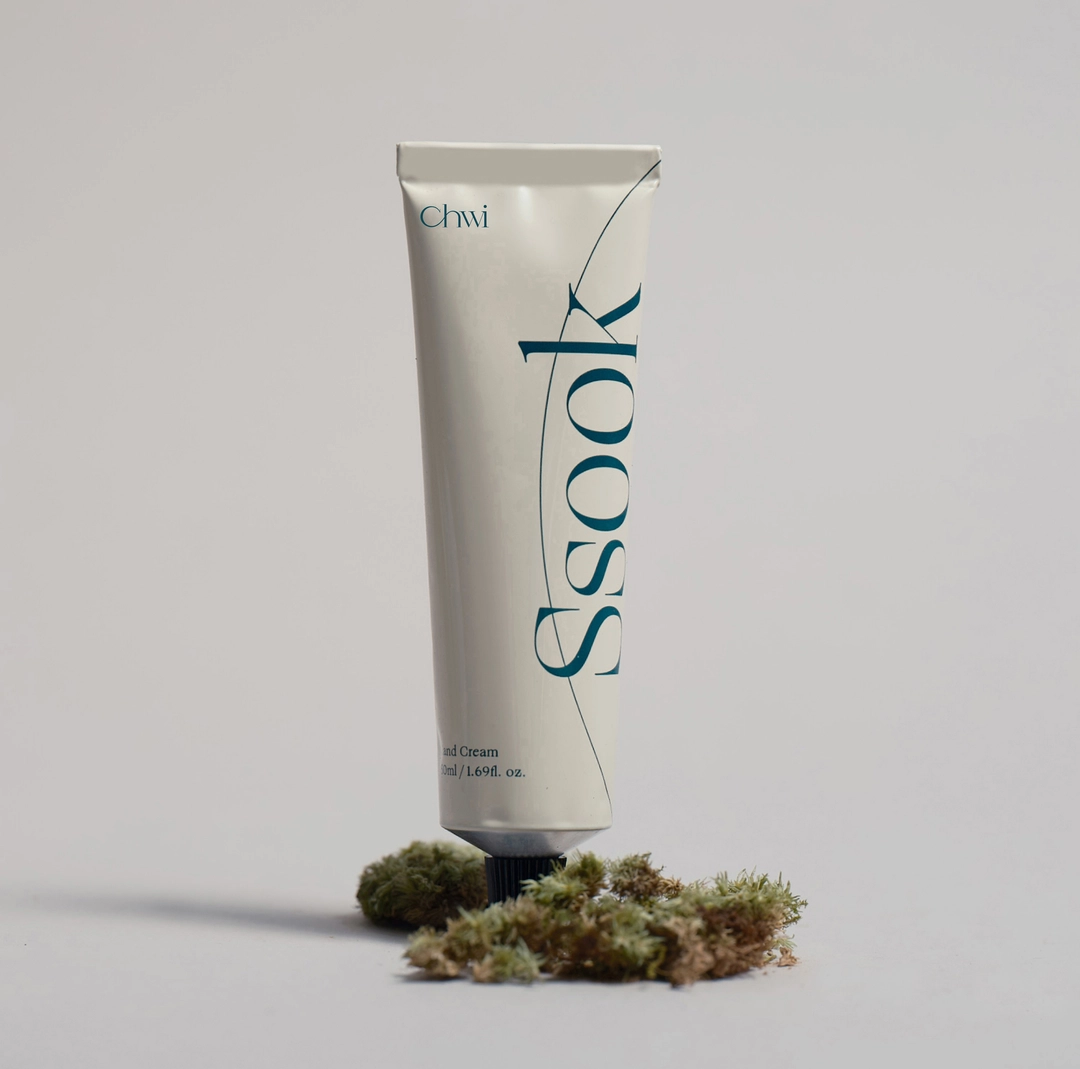
Ssook Vegan Hand Cream
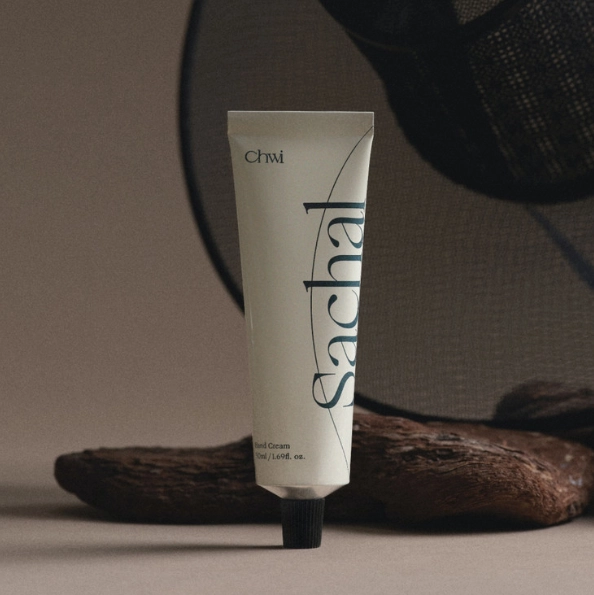
Sachal Vegan Hand Cream
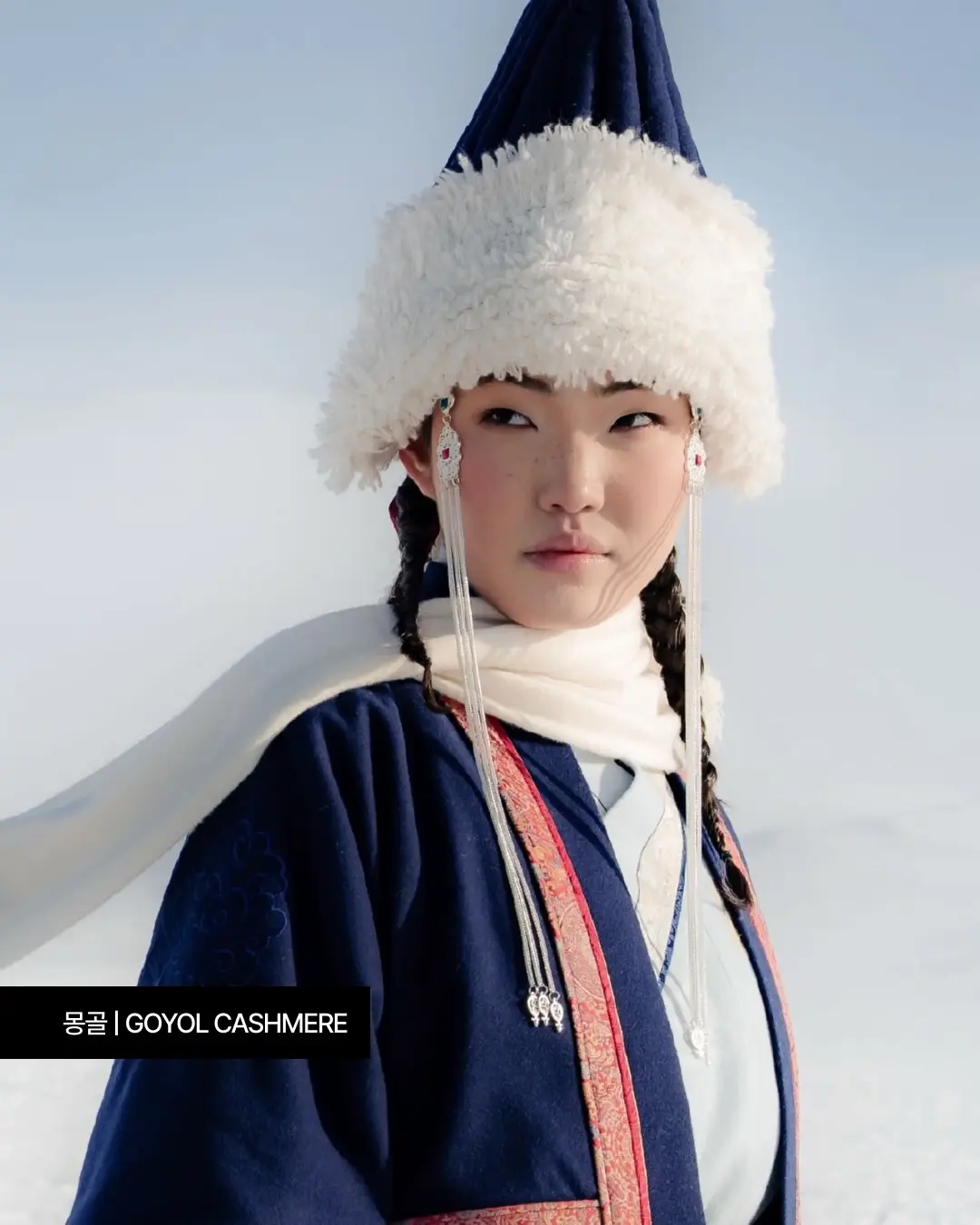
The opening of the 2026 Milan Winter Olympics immediately signaled a shift from previous Games. National team uniforms were no longer perceived as mere sports equipment, but as visual statements—revealing how each country defines itself and wishes to be seen on the global stage. Held in Milan, one of the world’s fashion capitals, this Olympics naturally blurred the boundary between sport and fashion. Through collaborations with fashion and sports brands, uniforms became cultural outcomes rather than functional necessities. In Milan 2026, uniforms spoke before results did.
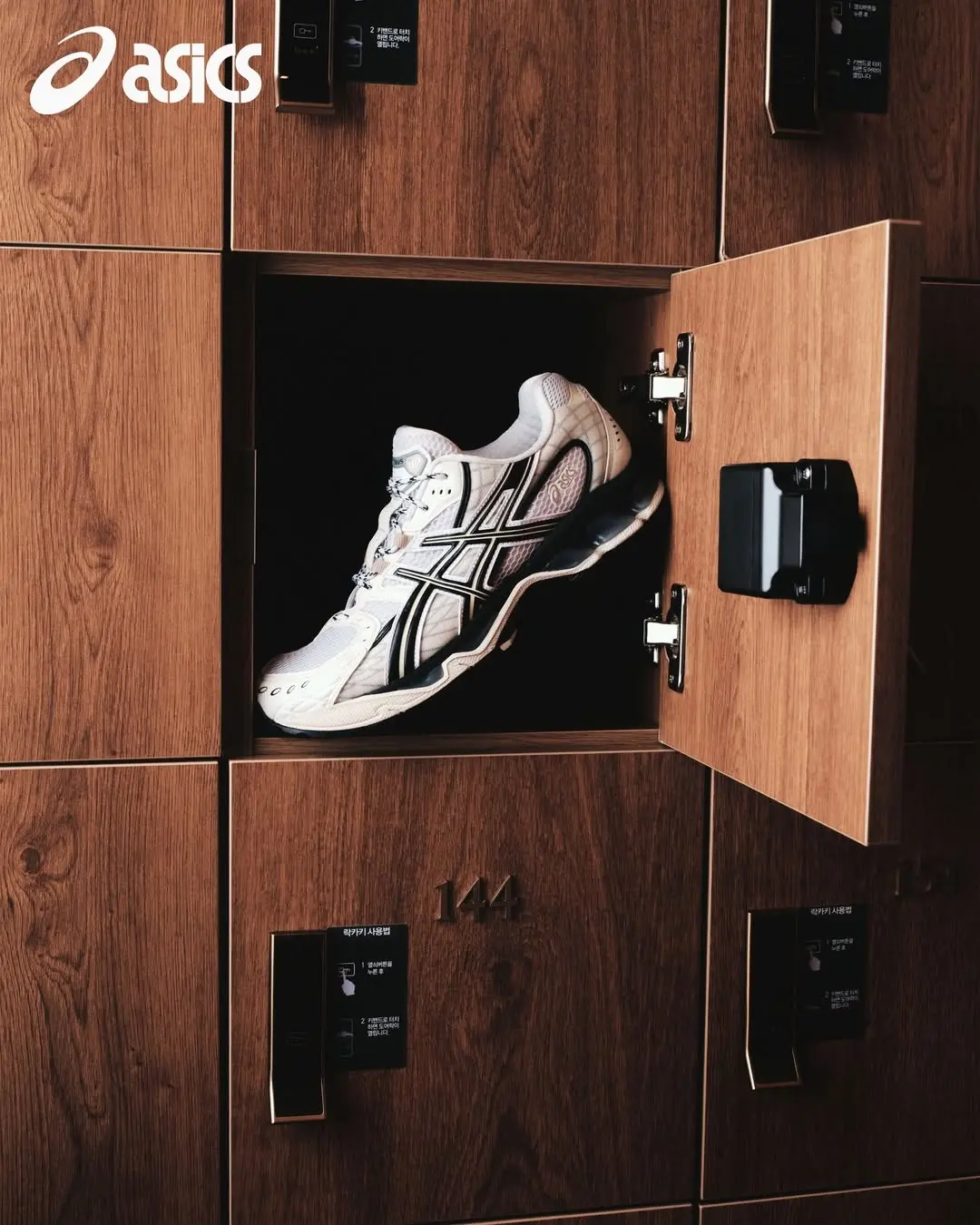
Running was once the simplest form of exercise. No equipment, no rules, no culture beyond movement itself. Today, in Korea, running has transformed into something far greater. It has become a lifestyle, an industry, and a key market that global running brands actively compete for. This article explores how Korea’s running boom evolved into a cultural and commercial force, and why the global running industry now looks to Korea for direction.
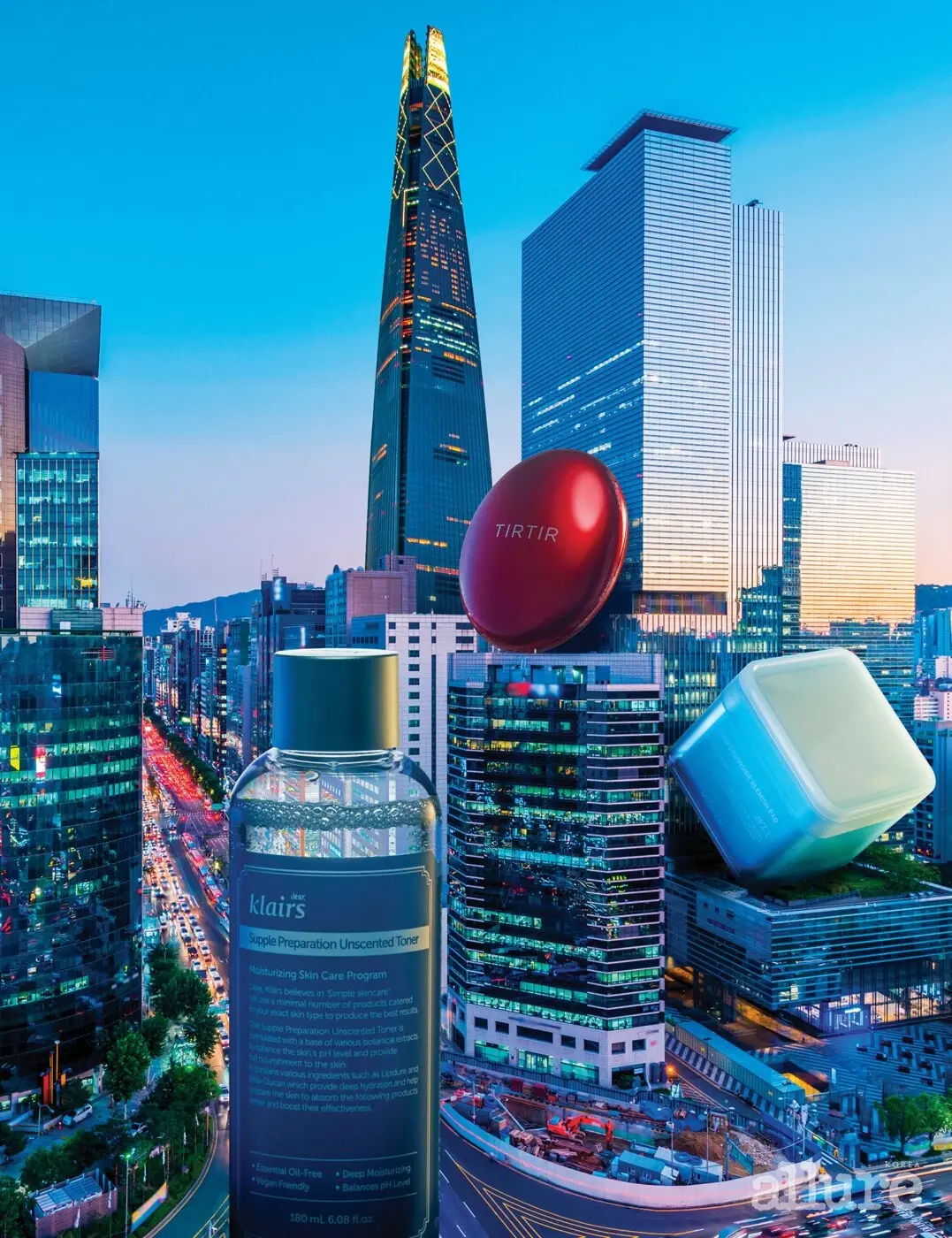
K-Beauty is no longer defined as a fleeting trend or a regional beauty phenomenon. Today, it operates as a sophisticated system—one built on dermatological science, advanced formulation technology, and data-driven skincare design. Rather than simply reacting to market trends, K-Beauty continuously updates itself, refining standards that influence the global beauty industry. This evolution extends far beyond product performance. K-Beauty now addresses a deeper question: how beauty can be maintained within real life. By considering daily routines, skin environments, and lifestyle rhythms, it has expanded into a framework that connects science with everyday practicality. This article explores where K-Beauty stands today and why it remains one of the most credible references in global beauty.


